
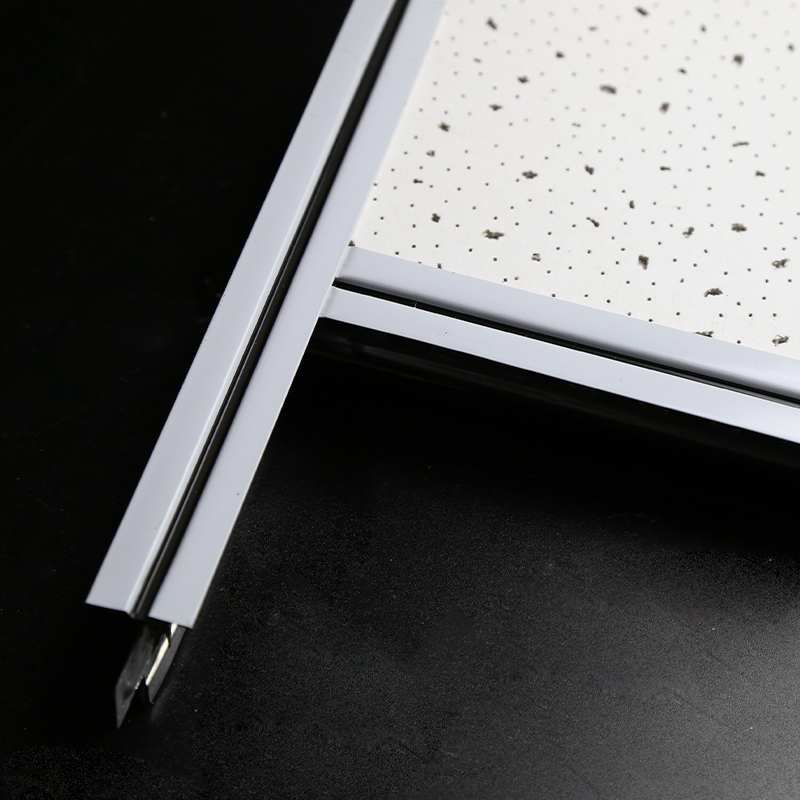
Mineral fiber ceilings deliver exceptional sound absorption (NRC ratings of 0.50–0.95), significantly reducing reverberation in high-traffic commercial environments. The porous structure of mineral wool traps sound waves, making it ideal for open-plan offices, educational facilities, and healthcare settings where speech intelligibility and noise control are critical. This acoustic optimization directly enhances occupant productivity and comfort—a measurable ROI for facility managers.
With inherent non-combustibility (Class A fire ratings), mineral fiber ceilings provide passive fire protection that exceeds building code requirements. When exposed to temperatures above 1,000°C, the material resists flame spread and emits negligible smoke—a vital safety layer in evacuation scenarios. This characteristic is non-negotiable in high-occupancy venues like airports, theaters, and shopping malls where occupant safety is paramount.
Modern mineral fiber tiles contain 40–75% recycled content (primarily post-industrial slag and glass), diverting waste from landfills. Their light reflectance (LR > 0.85) reduces lighting energy consumption by up to 30%, while the tiles' dimensional stability ensures 20+ years of service without warping or discoloration. At end-of-life, 95% of components are recyclable—aligning with LEED and BREEAM certification requirements.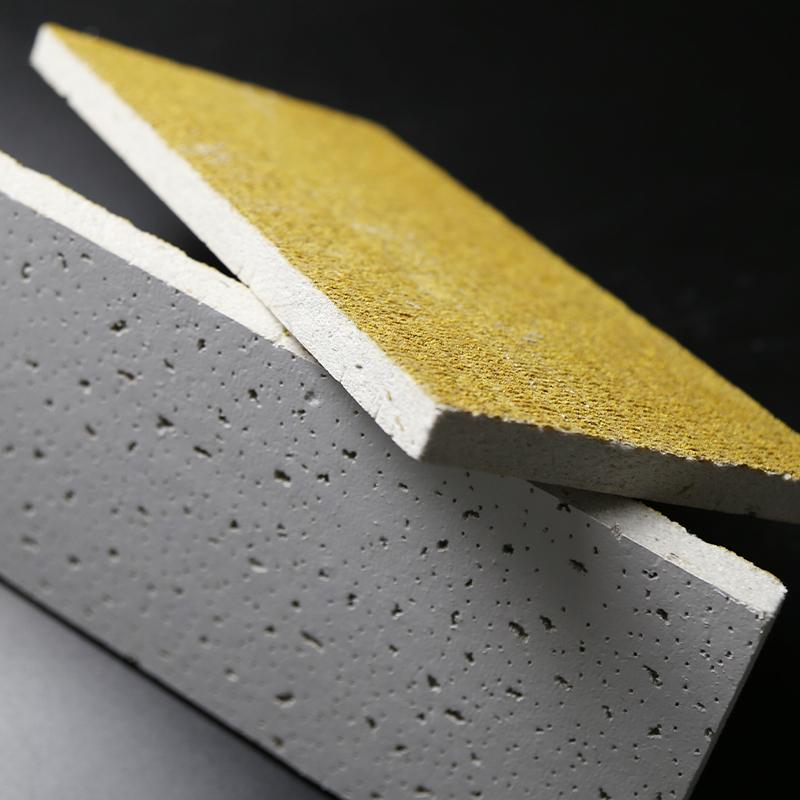
The hydrophobic nature of mineral fiber prevents moisture absorption (<5% water uptake), inhibiting mold and bacterial growth—a crucial feature for laboratories, cleanrooms, and food processing facilities. Unlike organic alternatives, the inorganic composition resists degradation from humidity and chemical exposure, maintaining indoor air quality and reducing long-term maintenance costs.
Advancements in manufacturing enable:
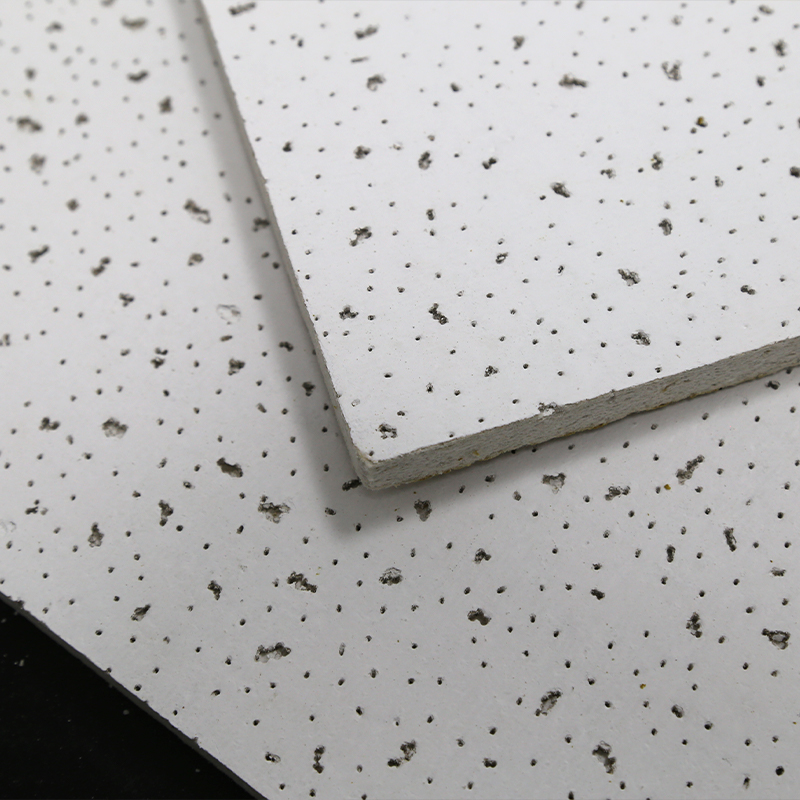
Mineral fiber delivers the lowest total cost of ownership among commercial ceiling materials:


