For commercial spaces like offices, hospitals, and schools, ceiling durability is non-negotiable. A sagging ceiling—whether caused by humidity, temperature changes, or long-term wear—signals poor quality, disrupts the workspace’s aesthetics, and can even pose safety risks. Among countless mineral fiber ceiling options, Pano Ceilings’ RH90 series stands out for its exceptional sag resistance, earning trust from architects, contractors, and facility managers worldwide. What makes this product so resilient? The answer lies in Pano’s rigorous engineering, premium materials, and innovative design—all tailored to combat the key factors that cause ceiling sag. Let’s explore the details.
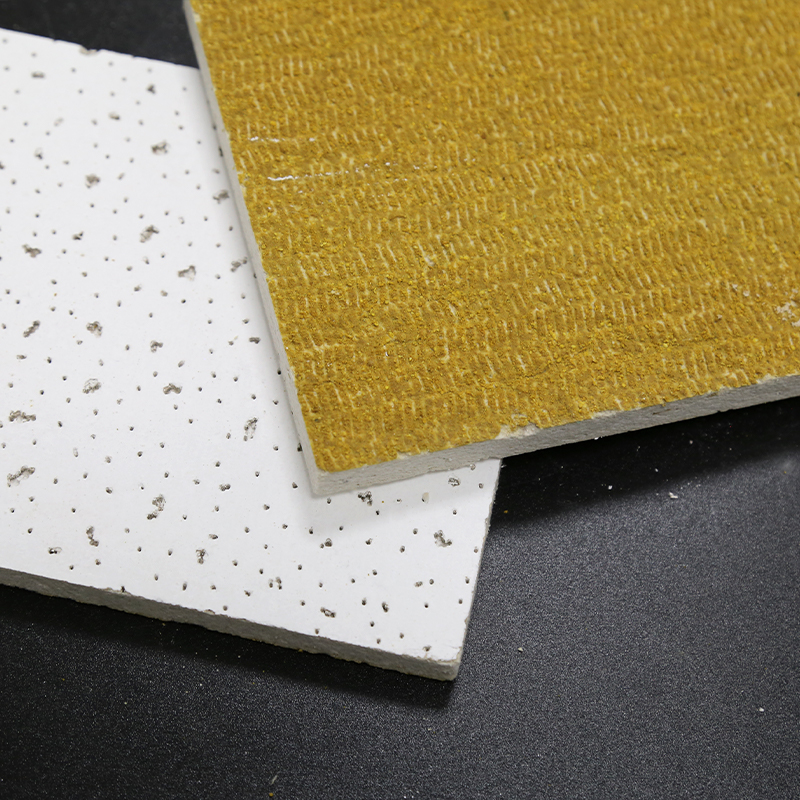
1. Understanding RH90: What Does “RH90” Mean, and Why It Matters for Sag Resistance?
First, it’s critical to clarify what “RH90” represents—because this rating is the foundation of the product’s sag-resistant performance. “RH” stands for Relative Humidity, and “RH90” indicates that Pano’s ceiling panels are tested and certified to maintain structural integrity and flatness in environments with up to 90% relative humidity.
Humidity is the primary enemy of ceiling sag. Standard mineral fiber ceilings often absorb moisture from the air: as humidity rises, the fibers swell, the panel’s structural rigidity weakens, and over time, gravity pulls the center downward, creating a sagging effect. This is especially problematic in spaces like indoor swimming pool facilities, gyms, hospitals, or coastal offices where humidity levels regularly exceed 60%.
Pano’s RH90 certification isn’t just a marketing claim—it’s backed by strict industry testing. The panels undergo 240 hours of exposure to 90% relative humidity at 32°C (89.6°F) in controlled labs, per ASTM C635 standards (the global benchmark for mineral fiber ceiling performance). After testing, Pano’s RH90 panels show less than 0.5mm of sag—far below the industry’s 2mm threshold for “sag-resistant.” This means even in the most humid commercial settings, Pano’s RH90 ceilings stay flat for decades.
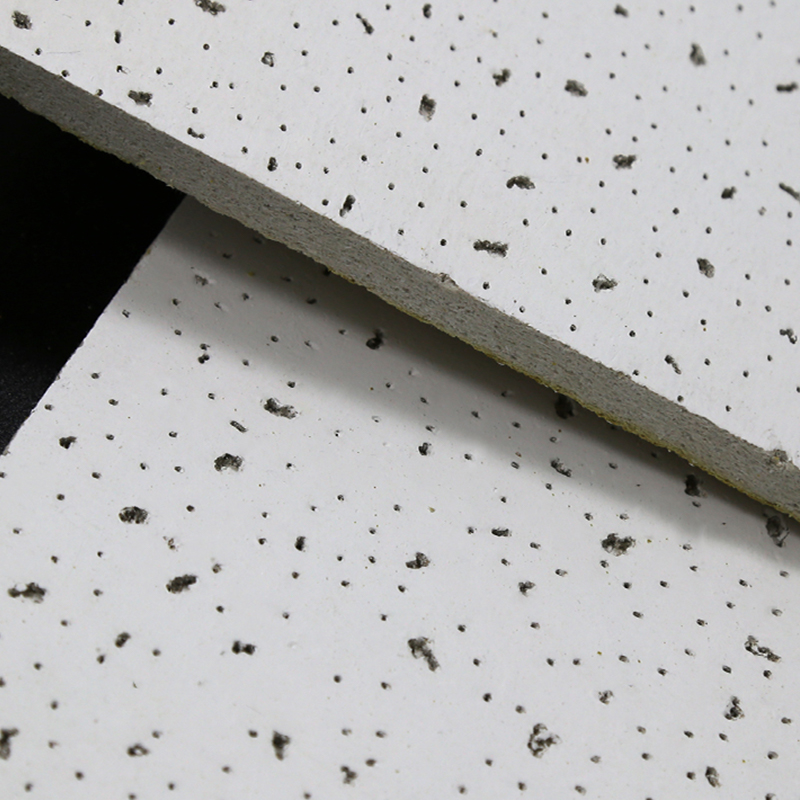
2. Pano’s Proprietary Fiber Blend: The Core of Sag Resistance
At the heart of Pano Ceilings’ RH90 series is a unique, patent-pending mineral fiber blend—engineered to resist moisture absorption and maintain rigidity. Unlike generic mineral fiber ceilings that use low-grade recycled fibers, Pano sources premium raw materials and combines them in a precise ratio to balance density, flexibility, and moisture resistance.
• High-Quality Base Fibers: Pano uses 100% virgin basalt and slag fibers, chosen for their low water absorption rate (less than 2% by weight) and high tensile strength. Basalt fibers, derived from volcanic rock, are naturally resistant to moisture and don’t swell or degrade when exposed to humidity—unlike cheaper glass fibers that absorb moisture and lose rigidity over time.
• Reinforcing Microfibers: To further boost structural stability, Pano adds micro-sized cellulose fibers to the blend. These tiny fibers act as a “binding network,” locking the mineral fibers together to prevent warping. The microfibers also enhance the panel’s dimensional stability, ensuring it doesn’t expand or contract with temperature fluctuations (a common secondary cause of sag).
• Low-VOC Adhesive System: The fibers are bonded with a proprietary water-resistant adhesive that cures into a rigid, moisture-repellent matrix. Unlike traditional adhesives that soften in high humidity, Pano’s adhesive maintains its strength even at RH90, keeping the panel’s structure intact.
This blend results in a panel that’s both dense (ensuring rigidity) and moisture-resistant (preventing swelling)—two key traits that eliminate sag. Independent tests show Pano’s RH90 panels have a density of 380-420 kg/m³, significantly higher than standard mineral fiber ceilings (280-320 kg/m³), giving them the structural heft to resist gravity’s pull.
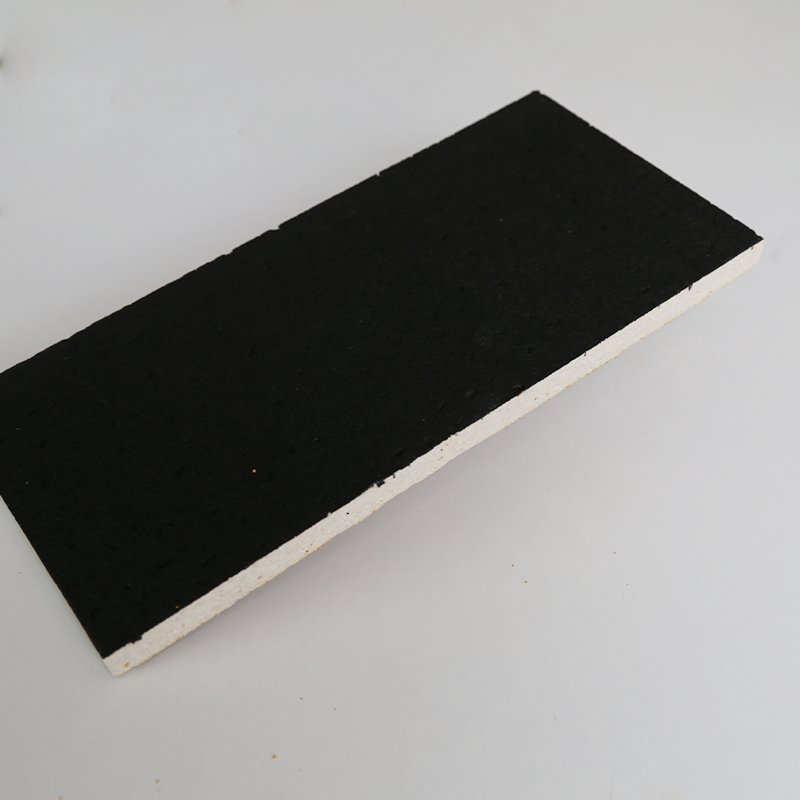
3. Advanced Manufacturing: Precision Engineering to Prevent Sag
Great materials need precise manufacturing to reach their full potential—and Pano’s state-of-the-art production process is designed to optimize sag resistance at every step.
• Controlled Fiber Orientation: During production, Pano uses a specialized “cross-layering” technique. Instead of aligning fibers in a single direction (which creates weak points), fibers are layered in crisscrossing patterns. This 3D fiber structure distributes weight evenly across the panel, so no single area bears too much stress—preventing sag in the center or edges.
• High-Pressure Compression: After blending, the fiber mixture is pressed under 500 psi (pounds per square inch) of pressure—twice the pressure used for standard panels. This compression compacts the fibers tightly, reducing porosity (which minimizes moisture absorption) and increasing structural density. The result is a panel that’s firm, flat, and less prone to bending.
• Moisture-Resistant Coating: Every RH90 panel receives a proprietary water-repellent coating during the final production stage. This thin, transparent coating seals the panel’s surface, creating a barrier that blocks moisture from seeping into the fiber core. The coating is also scratch-resistant and UV-stable, so it doesn’t degrade over time—ensuring long-term moisture protection.
• Strict Quality Control: Pano tests 1 out of every 100 panels for sag resistance in its in-house lab. Panels are hung vertically for 12 months in a RH90 chamber, and only those with zero visible sag pass inspection. This rigorous quality check ensures every box of Pano RH90 ceilings meets the brand’s high standards.
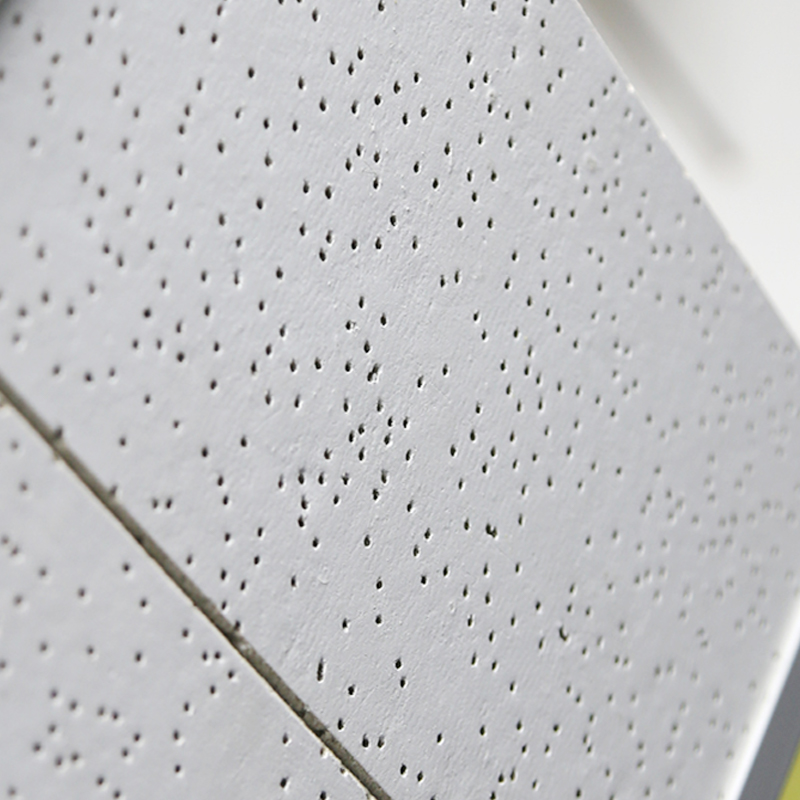
4. Smart Design Features: Supporting Sag Resistance in Real-World Installations
Even the most durable panels can sag if installed incorrectly or paired with poor support systems. Pano Ceilings addresses this by designing the RH90 series to work seamlessly with its optimized installation solutions, eliminating common sag triggers.
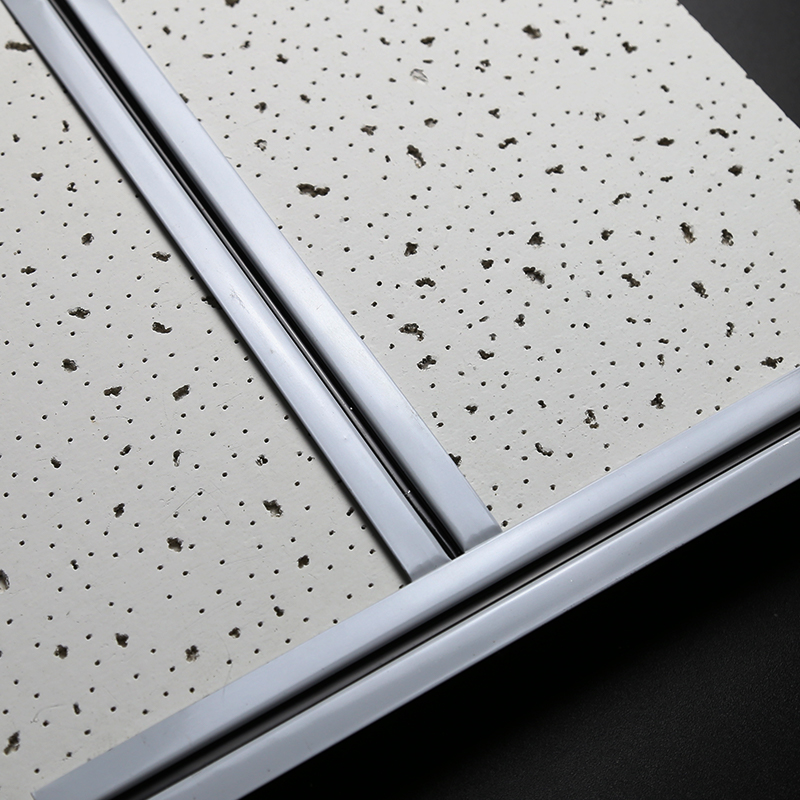
• Reinforced Edge Profiles: Pano’s RH90 panels feature thickened, beveled edges (12mm thick, compared to 8mm for standard panels). These reinforced edges distribute the panel’s weight evenly across the ceiling grid, preventing edge sag—a common issue with thin-edged panels that bend under their own weight.
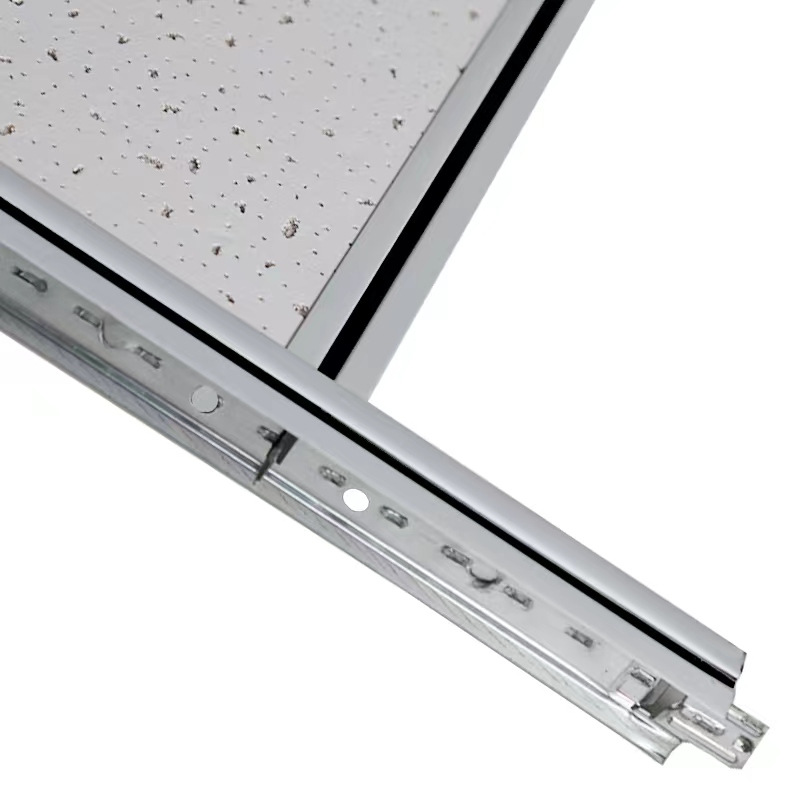
• Compatible High-Load Grid Systems: Pano recommends pairing RH90 panels with its proprietary galvanized steel ceiling grids, which have a load-bearing capacity of 10kg per square meter (double the industry standard of 5kg/m²). The grids are designed with紧密的 cross-tees that hold panels securely in place, even in areas with vibration (e.g., near HVAC systems or busy walkways).
• Expansion Gaps Optimization: Temperature and humidity changes cause minor panel expansion. Pano’s installation guidelines specify precise 2mm expansion gaps between panels, allowing room for expansion without warping or pushing panels out of alignment. This prevents “bulging” that can lead to sag over time.
• Easy Maintenance Access: Sag often occurs when panels are mishandled during maintenance (e.g., removing and reinstalling panels to access wiring). Pano’s RH90 panels have a lightweight yet rigid design that resists bending during removal, and their tongue-and-groove edges make reinstallation quick and precise—reducing the risk of damage that causes sag.
5. Long-Term Durability: Pano’s Warranty and Real-World Performance
Pano Ceilings stands behind the RH90 series with an industry-leading 15-year warranty against sag, moisture damage, and warping—far longer than the 5-10 year warranties offered by competitors. This warranty isn’t just a promise; it’s backed by decades of real-world performance in tough environments.
• Case Study 1: Coastal Office Building, Miami: A 10-story office building in Miami (average humidity 75-85%) installed Pano RH90 ceilings in 2018. After 6 years, inspections showed zero sag in all areas, including break rooms and lobbies with high foot traffic. Facility managers noted that the ceilings still look “brand new” with no discoloration or warping.
• Case Study 2: Hospital Wellness Center, Toronto: A hospital’s wellness center (featuring a therapy pool with RH levels up to 90%) switched to Pano RH90 ceilings in 2020. Prior to installation, the center replaced standard ceilings every 3 years due to sag and mold. Now, 4 years later, the Pano ceilings remain flat and mold-free, cutting maintenance costs by 70%.
• Case Study 3: Gymnasium, Houston: A high-school gymnasium in Houston (humidity 80-85%, frequent basketball games causing vibration) installed Pano RH90 ceilings in 2019. Despite constant foot traffic above and equipment vibration, the ceilings have maintained a flat surface with no visible sag—even after heavy rainstorms that increased indoor humidity temporarily.
These examples prove that Pano’s RH90 mineral fiber ceilings aren’t just “sag-resistant on paper”—they deliver consistent performance in the most challenging commercial settings, saving businesses time and money on repairs and replacements.
6. Beyond Sag Resistance: Additional Benefits of Pano RH90 Ceilings
While sag resistance is the standout feature, Pano’s RH90 series offers a full package of benefits that make it a smart choice for commercial spaces:
• Acoustic Performance: The panels maintain Pano’s signature sound absorption (NRC 0.75-0.85), reducing noise in busy offices, gyms, and hospitals.
• Fire Resistance: Class A fire rating (ASTM E84) ensures the panels resist ignition and slow flame spread, enhancing safety.
• Sustainability: Made from 75% recycled materials, the RH90 series contributes to LEED certification, aligning with green building goals.
• Aesthetic Versatility: Available in 5 neutral colors (white, off-white, beige, gray, and black) and 3 edge profiles (square, beveled, tegular), the panels complement any interior design—from modern offices to traditional hospitals.
• Low Maintenance: The moisture-resistant coating makes panels easy to clean (just wipe with a damp cloth) and resistant to stains, mold, and mildew.


