In the modern office, noise pollution is an invisible barrier to productivity. Open-plan layouts, shared work areas, and constant activity generate a mix of sounds—phone calls, printer whirs, keyboard clacks, and hallway chatter—that can raise stress levels and lower task accuracy. For businesses aiming to create calm, focused environments, choosing the right ceiling solution is critical. Pano Ceilings’ mineral fiber ceilings are engineered to tackle office noise at its source, leveraging material science and acoustic design to transform chaotic spaces into quiet havens. Here’s a detailed breakdown of how they work.
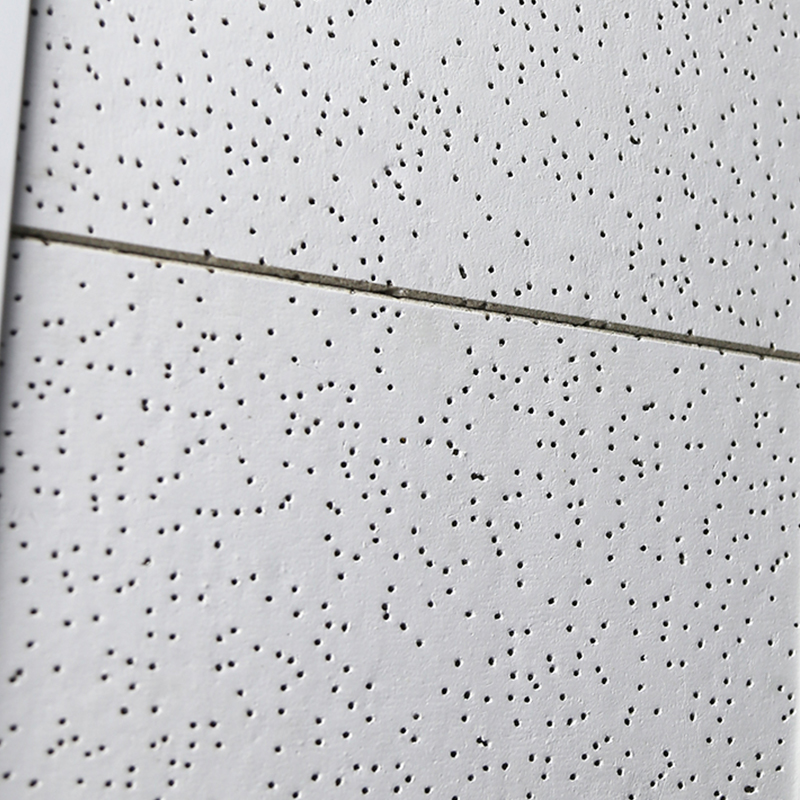
1. The Acoustic Power of Mineral Fiber Material
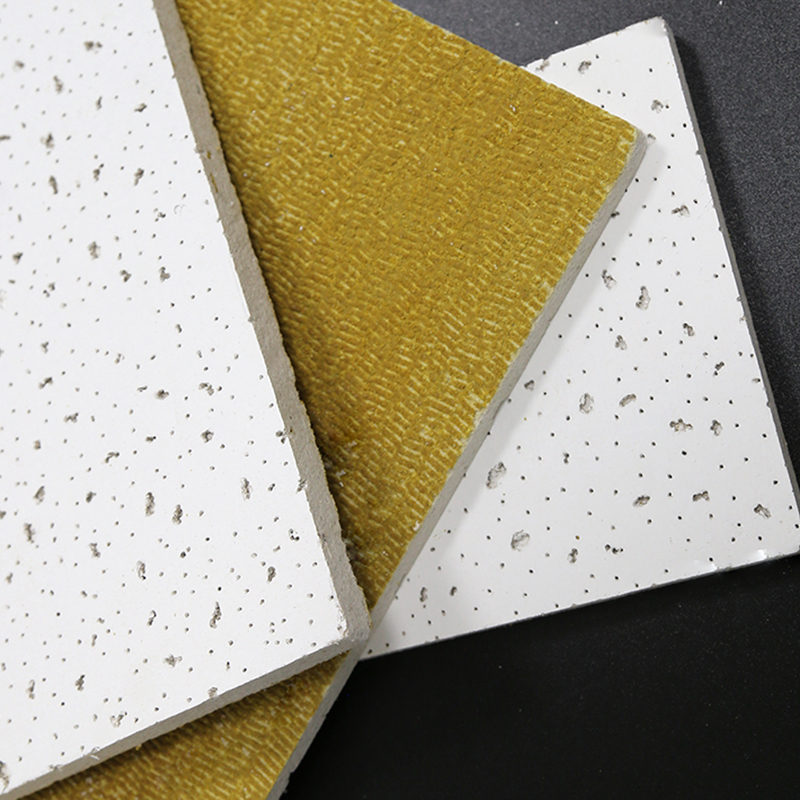
At the core of Pano Ceilings’ noise-reduction performance is the unique composition of mineral fiber. Unlike rigid ceiling materials like gypsum or metal, mineral fiber is a porous, fibrous material made from recycled minerals (such as basalt, slag, or glass) bonded together with eco-friendly adhesives. This porous structure is key to sound absorption.
When sound waves travel through the air, they carry energy. When these waves hit a solid surface, most of the energy bounces back (creating echo or reverberation), while a small portion is absorbed. Mineral fiber’s tiny, interconnected pores act like a “sound trap”: as sound waves penetrate the material, they collide with the fiber strands and get tangled in the pores. This collision converts sound energy into minimal heat energy, which dissipates rather than reflecting back into the room.
For offices, this means less reverberation—the prolonged echo that makes conversations sound muddled—and less ambient noise buildup. Pano Ceilings optimizes the porosity of its mineral fiber to target mid-to-high frequency sounds, which are the most common in offices (e.g., human voices, computer fans). Independent acoustic tests show Pano’s mineral fiber ceilings achieve a Noise Reduction Coefficient (NRC) of 0.70 to 0.85, meaning they absorb 70-85% of incident sound—far higher than standard ceiling materials (which typically have an NRC of 0.20-0.40).
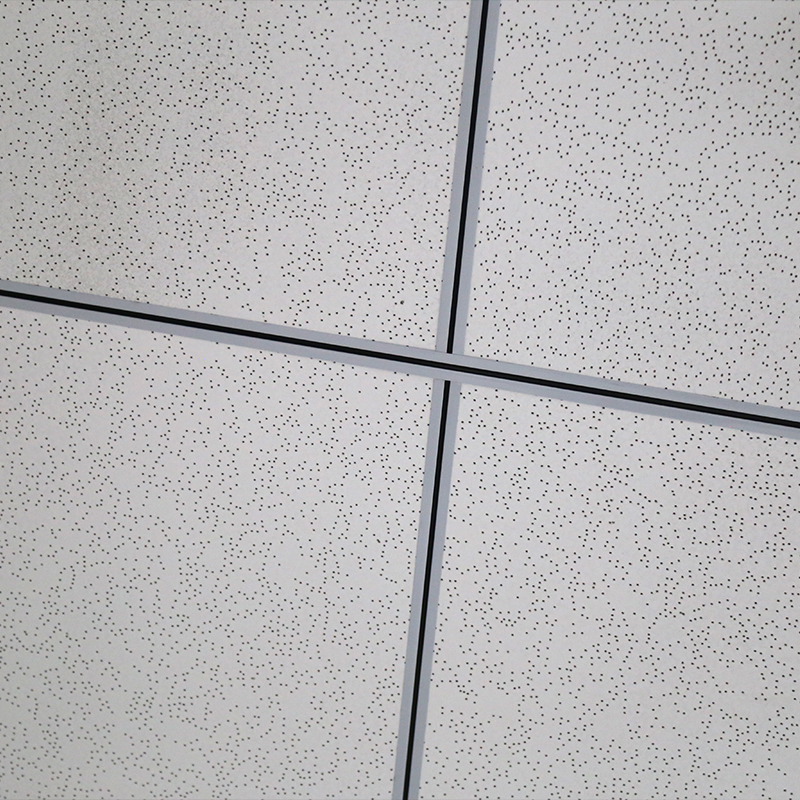
2. Sound Insulation: Blocking Noise Between Floors
Office noise doesn’t just come from within a room—it often travels between floors. Footsteps from the floor above, meetings in the conference room upstairs, or equipment vibrations can seep through ceilings, disrupting work below. Pano Ceilings’ mineral fiber products address this with superior sound insulation, thanks to their density and layered design.
Sound insulation is measured by the Ceiling Attenuation Class (CAC), which quantifies how well a ceiling blocks sound from passing through to the space below. Pano’s mineral fiber ceilings have a CAC rating of 40 to 50, meaning they reduce transmitted sound by 40-50 decibels—enough to muffle loud conversations or heavy foot traffic to a barely noticeable level.
The secret lies in the material’s density: mineral fiber is denser than lightweight alternatives like fiberglass, so it resists the vibration caused by sound waves. Additionally, Pano offers optional backing layers (e.g., mass-loaded vinyl or acoustic foam) for high-traffic buildings, further boosting CAC ratings to 55+. This makes Pano Ceilings ideal for multi-story office buildings, where noise transfer between floors is a top concern.
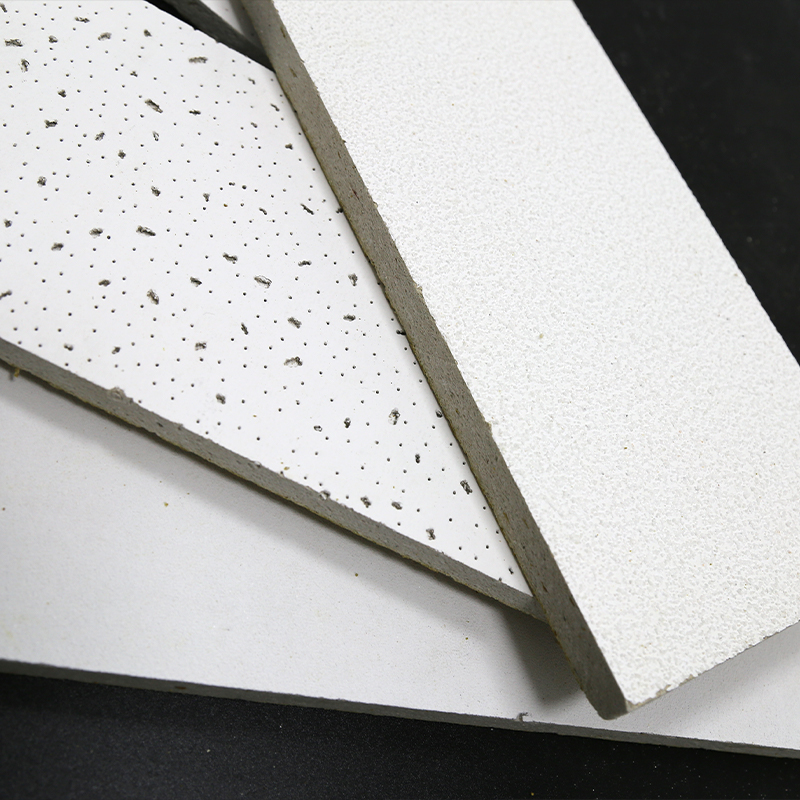
3. Design Features That Enhance Acoustic Performance
Beyond material composition, Pano Ceilings integrates design elements that maximize noise reduction, ensuring the product works in harmony with office layouts.
• Perforated Panels: Many Pano mineral fiber ceiling panels feature precision-drilled perforations. These tiny holes (usually 1-3mm in diameter) increase the surface area for sound absorption, allowing more sound waves to enter the porous core. Perforated panels are especially effective in open-plan offices, where sound spreads widely—they absorb sound from multiple directions, reducing cross-talk between workstations.
• Seamless Installation: Gaps between ceiling panels are a common weak point for sound leakage. Pano’s installation system uses tongue-and-groove edges that fit tightly together, eliminating gaps. This seamless design ensures sound doesn’t escape through cracks, maintaining consistent acoustic performance across the entire ceiling.
• Customizable Sizes and Shapes: Pano offers mineral fiber panels in various sizes (e.g., 2x2ft, 2x4ft) and edge profiles (square, beveled) to fit any office layout—from small private offices to large conference halls. For irregularly shaped rooms, custom-cut panels ensure full ceiling coverage, leaving no areas unprotected from noise.
• Integration with HVAC Systems: Office HVAC units can be a hidden noise source. Pano’s mineral fiber ceilings are designed to work with standard HVAC diffusers and vents, with pre-cut openings that seal tightly around fixtures. This prevents air flow from creating additional noise and ensures the ceiling’s acoustic properties aren’t compromised by system installations.
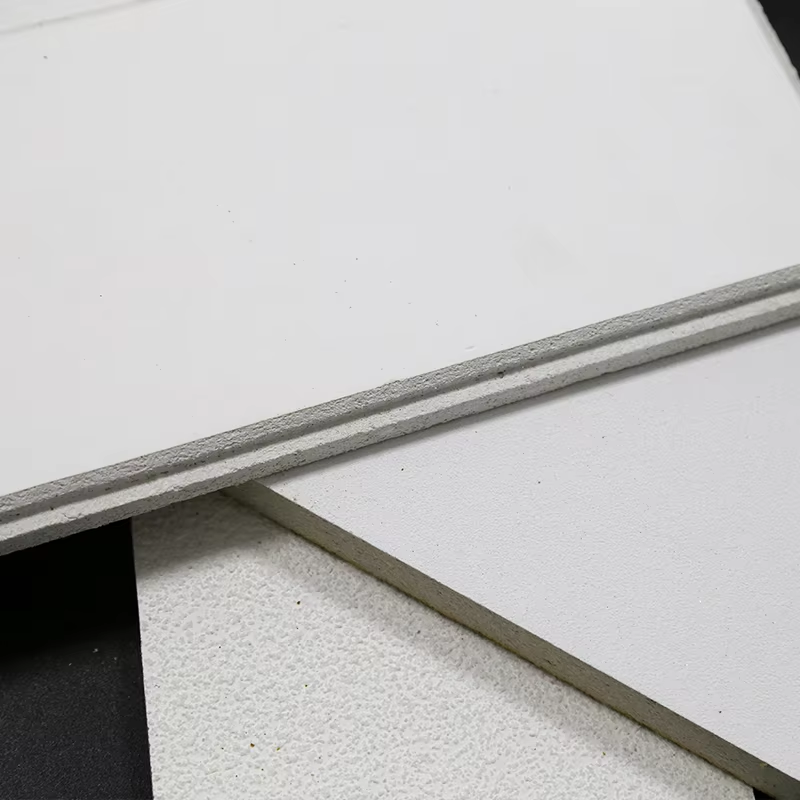
4. Beyond Noise Reduction: Additional Benefits for Offices
While noise reduction is the primary goal, Pano Ceilings’ mineral fiber products offer extra advantages that make them a holistic solution for office spaces:
• Fire Resistance: Mineral fiber is inherently fire-resistant, with a Class A fire rating (the highest possible). This enhances office safety, as the material won’t ignite or spread flames quickly in case of a fire.
• Moisture Resistance: Pano treats its mineral fiber panels with a water-repellent coating, making them resistant to mold and mildew—critical for offices in humid climates or spaces with high moisture levels (e.g., break rooms).
• Sustainability: Made from up to 80% recycled materials, Pano’s mineral fiber ceilings are eco-friendly. They also contribute to LEED certification points for green buildings, aligning with businesses’ sustainability goals.
• Easy Maintenance: The panels are durable, stain-resistant, and easy to clean—simply wipe with a damp cloth. They also resist fading and warping, ensuring long-term performance without frequent replacements.
5. Real-World Results: Pano Ceilings in Office Settings
Numerous office renovations have demonstrated the impact of Pano’s mineral fiber ceilings on noise reduction. For example, a 5,000-square-foot open-plan tech office in Chicago replaced its old metal ceilings with Pano’s perforated mineral fiber panels. Post-installation, employee surveys showed a 40% increase in reported focus, and noise measurements revealed a 35% reduction in ambient sound levels. A law firm in New York installed Pano’s high-CAC panels between its upper-floor conference rooms and lower-floor workspaces; staff reported a 90% decrease in audible meeting noise from above.
These results confirm that Pano Ceilings’ mineral fiber products don’t just “reduce noise”—they create measurable improvements in workplace comfort and productivity. By addressing both sound absorption (within rooms) and sound insulation (between floors), they solve the two most common noise challenges in modern offices.


