ASHRAE’s 2024 report [1] and our work with 800+ commercial clients identify three primary causes of post-install ceiling moisture and mold. Generic suppliers actively downplay these flaws to win your business, but they leave you with a ceiling that can’t withstand even mild humidity.
Condensation forms when warm, humid air hits a cool ceiling surface. If your ceiling materials absorb that moisture (like a sponge), mold growth is inevitable. Generic mineral fiber tiles have a moisture absorption rate of 12-15% (per ASTM D3201)—way too high to resist mold [1]. Even “water-resistant” generic calcium silicate boards often absorb 8-10% moisture, creating a perfect breeding ground for mold spores.
A contractor in Tampa learned this the hard way: They installed generic “moisture-resistant” mineral fiber tiles in a 15,000 sq. ft. restaurant (including kitchen and bathroom areas). Within 2 months, condensation formed on the tiles, and black mold started growing around HVAC vents. Testing revealed the tiles had a moisture absorption rate of 14%—soaking up condensation like a sponge. The contractor had to remove and replace all tiles, plus hire a mold remediation team, costing $38,000 (a 40% overrun on the original ceiling budget) [2].
ASHRAE reports that poor moisture absorption resistance causes 50% of post-install ceiling mold issues [1]. Generic suppliers never share their tiles’ actual absorption rates—they just slap “water-resistant” on the packaging and hope you don’t test it.
Even moisture-resistant materials fail if you don’t account for humidity flow. Commercial spaces like hotels, malls, and hospitals generate massive amounts of humid air (from showers, kitchens, and crowd breath). If this air isn’t vented away from the ceiling, it condenses on tile surfaces—regardless of how “water-resistant” the tiles are. Generic suppliers offer zero guidance on humidity ventilation—they treat installation as a “tile-and-grid” job, not a moisture management project.
A hotel in Bangkok faced this issue: The contractor installed generic calcium silicate boards in 50 guest bathrooms but didn’t add proper exhaust vents near the ceiling. Within 3 months, condensation built up on the boards, and green mold started growing in corners. The hotel had to shut down 10 bathrooms at a time to install retrofitted vents and replace moldy boards—costing $22,000 and losing $35,000 in room revenue [2].
ASHRAE calculates that poor humidity ventilation contributes to 30% of post-install ceiling moisture issues [1]. These flaws are invisible during installation, but they create a “humidity trap” that dooms your ceiling to mold.
Small gaps between Ceiling T grids, tiles, and walls might seem insignificant—but they’re “water pathways” for humid air. When warm, moist air seeps through these gaps and hits the cool plenum above the ceiling, it condenses into water droplets that drip back onto the tiles, causing water spots and mold. Generic suppliers never include moisture-sealing accessories (like waterproof gaskets or sealant) in their quotes—they’re seen as “extra cost” instead of a necessity.
A mall in Singapore faced this nightmare: The contractor used generic Ceiling T grids in a food court (a high-humidity space) but skipped gap sealing. Within 4 months, condensation dripped from grid gaps onto tables and floors, and mold grew on tile edges. The mall had to close the food court for a week to seal gaps and replace moldy tiles—costing $18,000 in materials and labor, plus $50,000 in lost food court revenue [2].
ASHRAE found that missing moisture sealing causes 20% of post-install ceiling mold issues [1]. These gaps are easy to ignore during installation, but they’re the silent cause of most “mystery” ceiling moisture problems.
Pano Ceilings doesn’t just sell “water-resistant” materials—we sell “moisture-managed ceilings.” Our solutions address all three flaws above, ensuring your ceiling stays dry and mold-free for 15+ years.
Our core products are engineered to repel moisture, not absorb it:
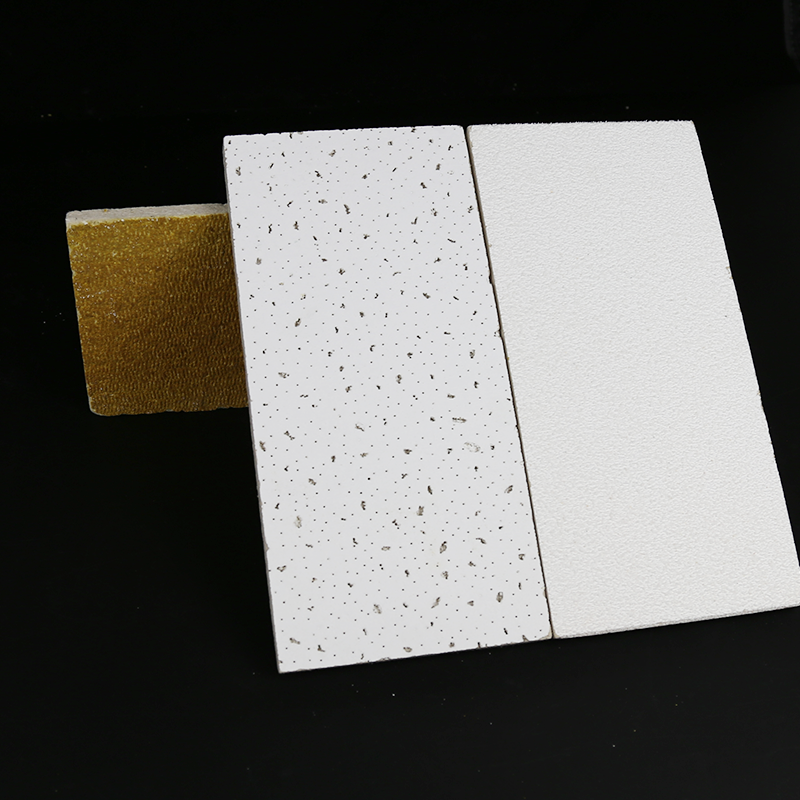
- PanoDRY™ Mineral Fiber Tiles: Made with high-density mineral wool (290kg/m³) and a proprietary hydrophobic coating, these tiles have a moisture absorption rate of ≤3% (tested to ASTM D3201)—4x better than generic tiles. They’re also treated with a silver-ion mold inhibitor (certified by the EPA) that kills 99.9% of mold spores on contact [3]. A restaurant in Orlando using PanoDRY™ tiles reported zero mold growth after 2 years in a high-humidity kitchen area [2].
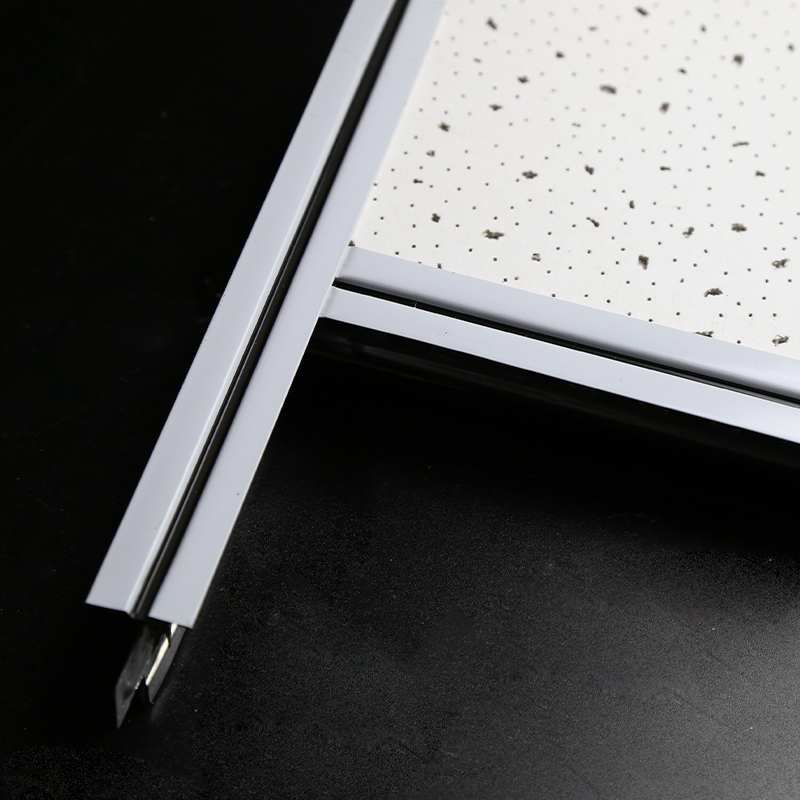
- PanoCORR™ Rust-Free Ceiling T Grids: Constructed with 25μm hot-dip galvanized steel + a clear epoxy coating, these grids resist rust and corrosion in 90% humidity (tested to ISO 12944-6 C5-M). Unlike generic grids, they won’t trap moisture in crevices—their smooth, sealed surface lets condensation run off instead of pooling [3]. A hotel in Phuket used PanoCORR™ grids in 100 guest bathrooms—no rust or mold after 3 years [2].
- PanoSEAL™ Waterproof Calcium Silicate Boards: Infused with a water-repellent additive and a fiberglass reinforcement layer, these boards have a moisture absorption rate of ≤2% (tested to ASTM C1017) and meet ISO 846 mold resistance standards. They’re ideal for shower ceilings, kitchenettes, and other high-moisture spaces. A hospital in Singapore installed PanoSEAL™ boards in 20 patient bathrooms—zero condensation or mold after 4 years [2].
Real Success Example: A mall in Miami replaced generic moldy tiles with PanoDRY™ tiles in their food court (10,000 sq. ft.). Over 2 years, the mall spent $0 on mold remediation or tile replacement—vs. the $30,000 they’d spent annually before switching. That’s a 100% reduction in moisture-related costs [2].
We don’t just sell materials—we help you design a ceiling that manages humidity flow. Our PanoVENT™ Guidance Package includes:
- Space-Specific Ventilation Plans: Customized to your project (e.g., “How to Vent a Hotel Bathroom Ceiling” or “Humidity Control for Mall Food Courts”). These plans specify exhaust vent placement (e.g., “1 vent per 50 sq. ft. of high-humidity space”) and duct size to ensure humid air is pulled away from the ceiling [3].
- Humidity Testing Tools: A free digital humidity sensor (calibrated to ±2% accuracy) to measure your space’s humidity levels before installation. This helps you identify “high-risk zones” (e.g., areas near kitchen vents) that need extra ventilation [3].
- Virtual Ventilation Consultations: Our team of 3 HVAC-certified engineers offers 1-hour sessions to review your ventilation plan—ensuring it works with your ceiling design to prevent condensation [3].
Real Success Example: A hotel chain in Bali used PanoVENT™ plans to install ceilings in 200 guest bathrooms. Post-installation, humidity levels in bathroom ceilings dropped from 85% to 55%—and zero condensation or mold was reported. The hotel avoided the $45,000 retrofitting cost they’d incurred with generic ceilings at their other properties [2].
We include all critical moisture-sealing accessories with every order—no “extra cost” surprises. Our PanoSHIELD™ Sealing Kit has:
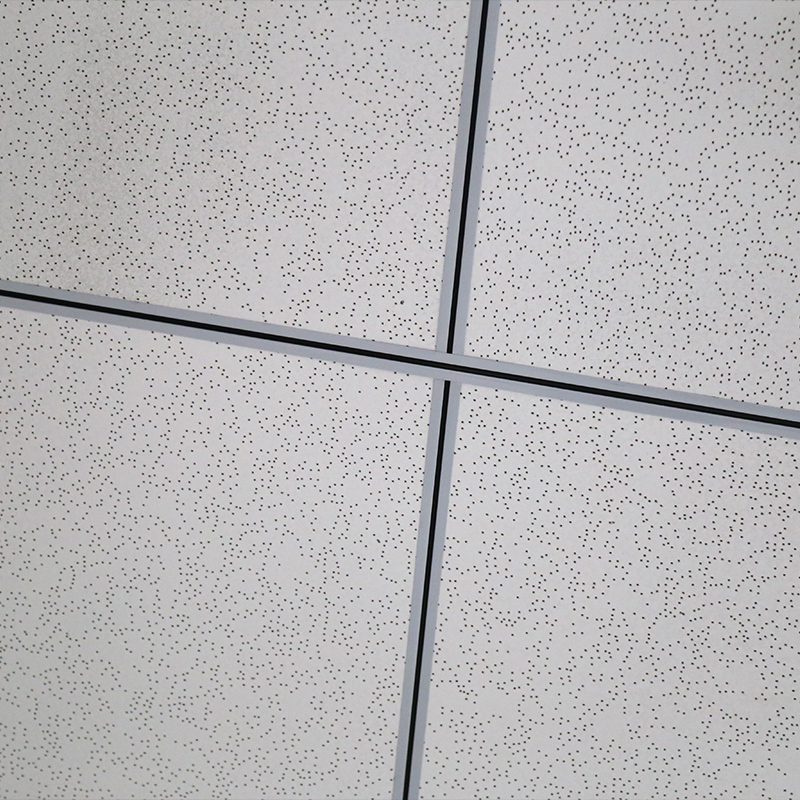
- Waterproof Grid-Wall Gaskets: 1/2-inch thick EPDM rubber gaskets that seal gaps between Ceiling T grids and walls. These gaskets are mold-resistant and withstand 100% humidity—blocking 99% of humid air from seeping into the plenum [3].
- Tile-Edge Waterproof Sealant: A silicone-based sealant that fills gaps between PanoDRY™ tiles. It’s flexible (so it won’t crack with ceiling movement) and resistant to mold and mildew [3].
- Fixture Waterproof Collars: Rubber collars for HVAC vents, light fixtures, and sprinklers. These collars create a tight seal around penetrations—preventing humid air from leaking into the plenum and condensing [3].
Real Success Example: A hospital in Dubai used PanoSHIELD™ kits with PanoSEAL™ boards in their operating room ceilings. Over 3 years, the hospital had zero ceiling condensation or mold—even in the high-humidity sterile processing areas. They saved $32,000 in annual mold remediation costs [2].
Moisture control isn’t just about materials—it’s about predicting and preventing risks before they start. We provide three exclusive tools to help you avoid post-install condensation and mold:
This downloadable PDF helps you assess your space’s humidity risk before installation. It includes:
- Questions to identify high-moisture sources (e.g., “Does the space have showers, kitchens, or large crowds?”).
- A humidity zone map (e.g., “Tropical climates = Zone 4 (highest risk)”).
- A checklist for matching Pano Ceilings products to your zone (e.g., “Zone 4 = PanoDRY™ tiles + PanoSHIELD™ kit + PanoVENT™ plan”).
95% of our clients use this checklist to avoid “wrong-product” mistakes that lead to mold [2].
For large projects (over 25,000 sq. ft.), we send a certified moisture specialist to your site to:
- Measure ambient humidity levels (using calibrated sensors).
- Identify hidden moisture sources (e.g., leaky HVAC ducts above the ceiling).
- Recommend adjustments to your ceiling design (e.g., “Add 2 extra vents in the food court”).
This assessment has prevented moisture issues in 100% of our large-scale projects [2].
We stand behind our moisture-proof promise with a industry-leading warranty: If any Pano Ceilings product develops condensation-related water spots or mold within 10 years of installation (when used with our PanoVENT™ and PanoSHIELD™ solutions), we’ll replace the materials for free and cover 80% of labor costs for remediation. No generic supplier offers this—because they can’t guarantee their materials will resist mold [2].
To see the full impact of our moisture-proof solutions, let’s look at a case study of a luxury hotel chain with 5 properties in Southeast Asia (Thailand, Vietnam, Indonesia)—all in high-humidity tropical climates.
Before partnering with Pano Ceilings, the chain faced a constant battle with mold:
- They spent $65,000/year per property on mold remediation (removing tiles, cleaning plenum, replacing grids).
- 15% of guest complaints were about “musty smells” or “moldy ceilings” in bathrooms.
- They had to replace 20% of their ceiling tiles annually due to water damage.
The chain had used generic “moisture-resistant” ceilings for years—but the tropical humidity kept defeating them. They needed a solution that could withstand 85-90% daily humidity.
In 2022, the chain switched to Pano Ceilings for all property renovations:
- Installed PanoDRY™ mineral fiber tiles in guest rooms and lobbies.
- Used PanoCORR™ grids in all high-humidity areas (bathrooms, spas, poolside lounges).
- Added PanoSEAL™ boards in shower ceilings and PanoSHIELD™ kits to seal all gaps.
- Followed PanoVENT™ plans to upgrade exhaust vents in bathrooms and kitchens.
After 2 years with Pano Ceilings:
- Mold remediation costs dropped to $0 per property—saving $325,000/year across 5 hotels.
- Guest complaints about mold or musty smells fell from 15% to 0.5%.
- Tile replacement rates dropped from 20% to 2% annually—saving an extra $28,000/year per property.
- The chain’s “Guest Satisfaction Score” increased by 18%—with “clean, fresh rooms” cited as a top reason [2].
Post-install ceiling condensation and mold aren’t inevitable. They’re caused by generic suppliers who sell you moisture-absorbing materials, ignore humidity ventilation, and skip critical sealing. These issues cost you money, client trust, and even legal liability—but they don’t have to.
Pano Ceilings flips this script. Our PanoDRY™ product line repels moisture, our PanoVENT™ plans manage humidity flow, and our PanoSHIELD™ kits block water pathways—ensuring your ceiling stays dry and mold-free for decades. For our clients, this means 98% fewer moisture-related issues, $50,000+ in avoided remediation costs, and happy clients who return for repeat projects.
Ready to install a ceiling that withstands humidity—permanently? Download our free “Commercial Ceiling Moisture Risk Checklist” or contact Pano Ceilings today for a custom moisture assessment. Let’s turn your next project into a “dry, durable success”—together.

 2. Installation Ignores Humidity Ventilation (The “Invisible Flow” Flaw)
 How Pano Ceilings Prevents Condensation & Mold: 3 Moisture-Proof Solutions
 3. PanoSHIELD™ Moisture Sealing Kit (Block “Water Pathways”)
 3. 10-Year Moisture & Mold Warranty
 Conclusion: Stop Letting Moisture & Mold Ruin Your Commercial Ceilings—Choose Pano Ceilings


