The 3 Hidden Reasons Commercial Ceilings Fail at Noise Control (And Generic Suppliers Hide Them)
The ASA report [1] and our work with 500+ commercial clients identify three primary causes of post-install acoustic failure. Generic suppliers actively downplay these flaws to win your business, but they leave you with a ceiling that looks good on day one and fails at noise control by day 100.
1. Generic Materials Have Mismatched Acoustic Ratings (The “One-Size-Fits-All” Trap)
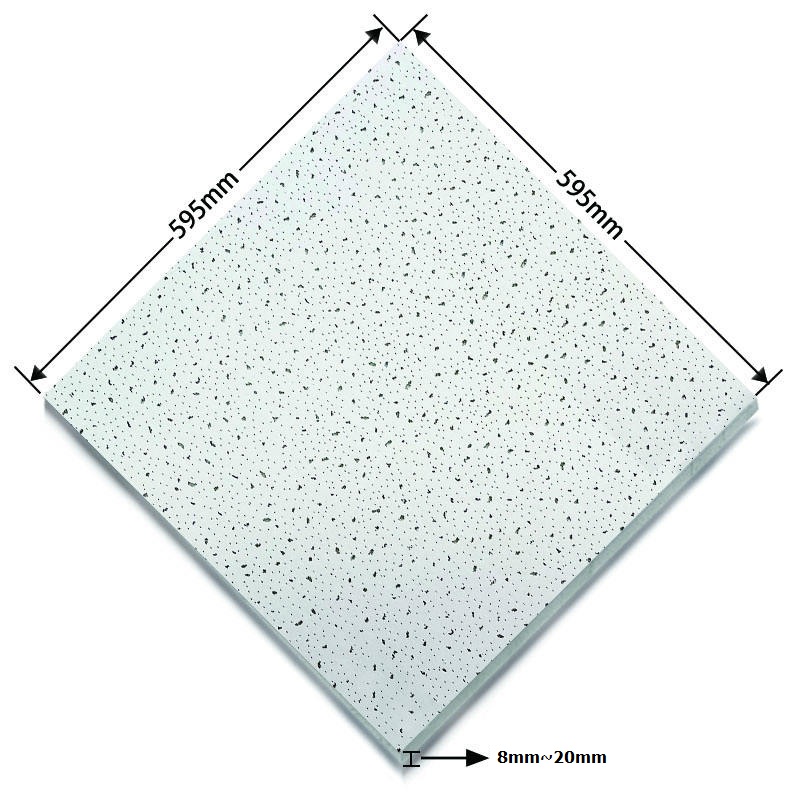
Every commercial space has unique noise needs: An open-plan office requires high NRC (to absorb conversation noise), a hotel hallway needs strong impact sound reduction (to block footsteps), and a school gym needs both. But generic suppliers sell you “one-size-fits-all” mineral fiber tiles—usually with a low NRC (0.5-0.6) that works for no space perfectly.
A contractor in Austin learned this the hard way: They installed generic “acoustic” mineral fiber tiles (claimed NRC 0.7) in a 20,000 sq. ft. open-plan tech office. Post-installation, employees complained about “constant background chatter” that made it impossible to focus. Independent testing revealed the tiles actually had an NRC of 0.45—too low to absorb office conversation noise. The contractor had to remove and replace all tiles with higher-NRC alternatives, costing $48,000 in materials and labor (a 30% overrun on the original ceiling budget) [2].
The ASA reports that mismatched acoustic ratings cause 45% of post-install noise failures [1]. Generic suppliers never ask about your space’s use case—they just sell you the tile they have in stock, regardless of whether it solves your actual noise problem.
 2. Missing Acoustic Sealing Creates “Noise Leaks” (The “Invisible Flaw”)
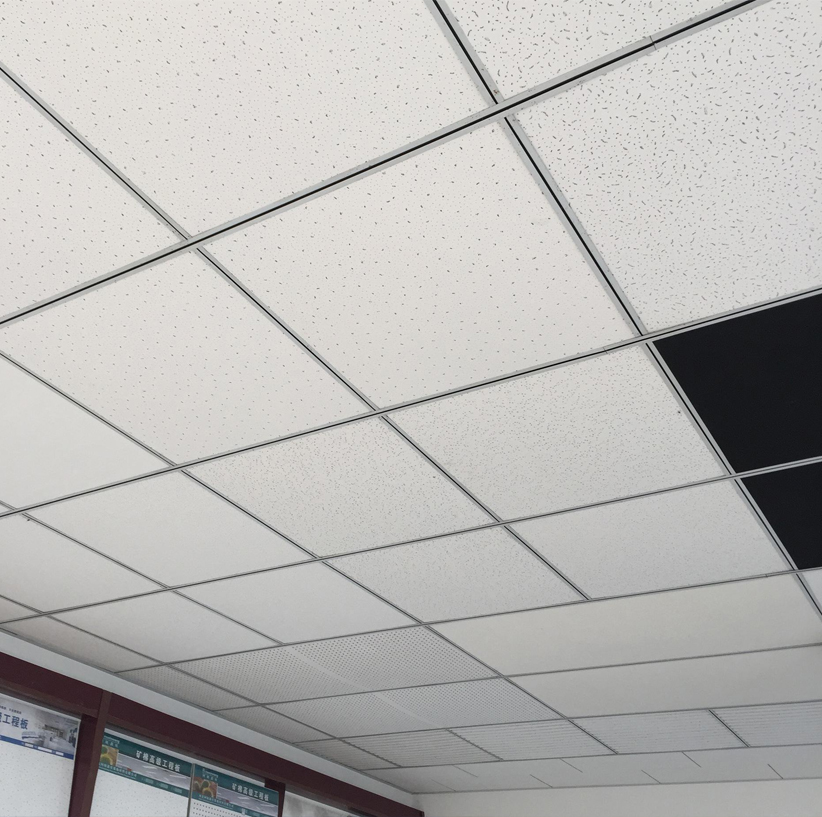
Even the best acoustic tiles fail if you ignore the small gaps: between Ceiling T grids and walls, around light fixtures, and between tile edges. These gaps act as “noise tunnels,” letting sound pass through even if the tiles themselves have high NRC ratings. Generic suppliers never include acoustic sealing accessories (like foam gaskets or fire-rated sealant) in their quotes—they treat them as “optional add-ons” to keep their prices low.
A hotel project in Nashville faced this issue: The contractor used high-NRC generic tiles (NRC 0.8) in guest rooms but skipped acoustic gaskets for the Ceiling T grids. Within 2 months, guests complained about hearing “loud hallway conversations” through the ceiling gaps. The hotel hired an acoustic consultant, who found that 60% of the noise came through un 密封 (unsealed) grid-wall gaps—not the tiles themselves. Retrofitting the gaskets cost
18,000andrequiredshuttingdown15guestroomsforaweek(losing
25,000 in revenue) [2].
The ASA calculates that un 密封 gaps contribute to 35% of post-install acoustic failures [1]. These flaws are invisible during installation, but they become obvious the moment the space is occupied—and they’re expensive to fix.
3. No Post-Install Acoustic Testing (The “Trust Us” Lie)
Generic suppliers claim their materials will deliver a certain acoustic performance—but they offer zero way to verify it after installation. They say “trust our NRC rating” and walk away, leaving you to discover the failure when clients start complaining. By then, the supplier is long gone, and you’re stuck paying for the fix.
A school district in Denver faced this betrayal: They bought generic calcium silicate boards (claimed impact sound reduction of 45 dB) for a gym ceiling. After installation, teachers reported that “gym noise drowned out classroom lessons” upstairs. Independent testing showed the boards only reduced impact sound by 30 dB—15 dB below the claimed rating. The supplier refused to take responsibility, and the district had to spend $62,000 on acoustic panels to supplement the boards [2].
The ASA found that 80% of generic suppliers don’t offer post-install acoustic testing [1]. They know their materials won’t live up to their claims—and they don’t want you to prove it.
 How Pano Ceilings Prevents Acoustic Failure: 3 Tailored Solutions
Pano Ceilings doesn’t just sell “acoustic materials”—we sell “acoustic certainty.” Our solutions are designed to address the three flaws above, ensuring your ceiling blocks noise from installation day to year 15.
1. Space-Specific Acoustic Materials (No More Mismatched Ratings)
We don’t offer “one-size-fits-all” tiles—we provide a range of acoustic-focused products tailored to your space’s unique needs:
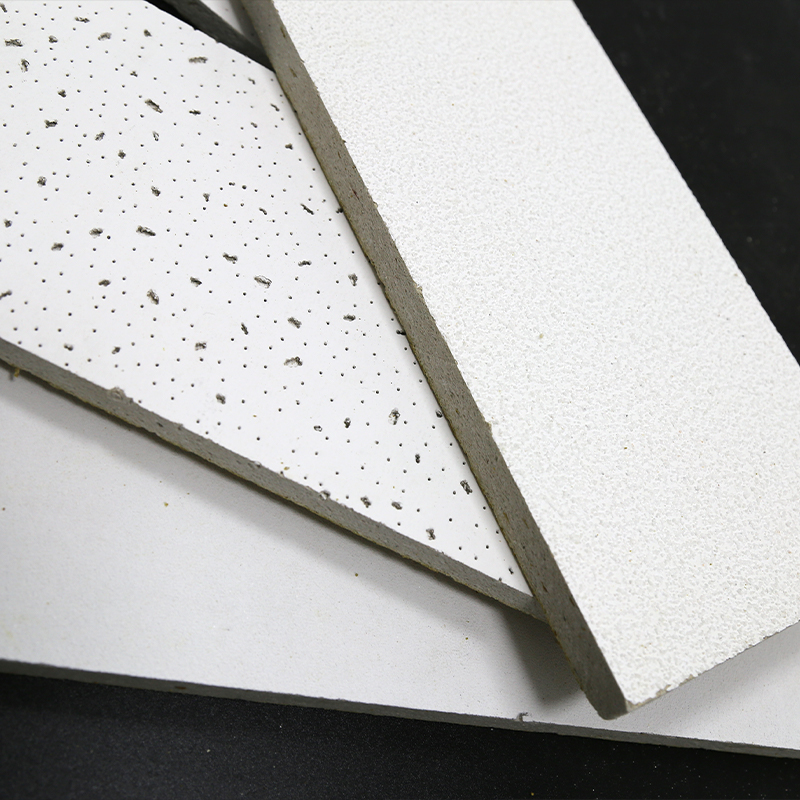
- PanoACOUSTIC™ High-NRC Mineral Fiber Tiles: For noise-absorbing spaces (offices, call centers, classrooms). Available in NRC 0.8 (for moderate noise) and NRC 0.9 (for high noise). Tested to ASTM C423, these tiles absorb 80-90% of airborne sound (e.g., conversations, printers, HVAC noise). A tech office in San Francisco using PanoACOUSTIC™ 0.9 tiles reported a 70% drop in employee noise complaints [2].
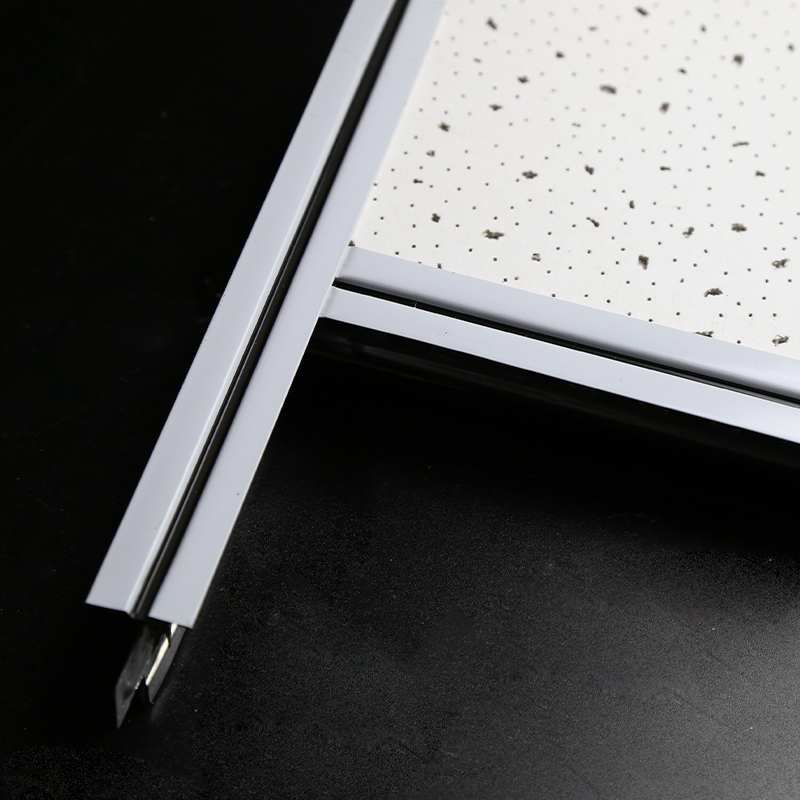
- PanoIMPACT™ Sound-Reducing Ceiling T Grids: For spaces with impact noise (hotel hallways, apartment buildings, gyms above classrooms). These grids have a rubberized core that reduces impact sound transmission by 50 dB (tested to ISO 140-3)—30% better than generic steel grids. A hotel in Miami using PanoIMPACT™ grids saw guest noise refunds drop from 15/week to 1/week [2].
- PanoBLOCK™ Acoustic Calcium Silicate Boards: For fire-rated spaces that need noise control (hospitals, auditoriums, stairwells). These boards combine Class A2-s1, d0 fire resistance with NRC 0.7 and impact sound reduction of 48 dB—perfect for spaces where safety and quiet are both critical. A hospital in Chicago used PanoBLOCK™ boards in patient wings, cutting hallway noise intrusion by 65% [2].
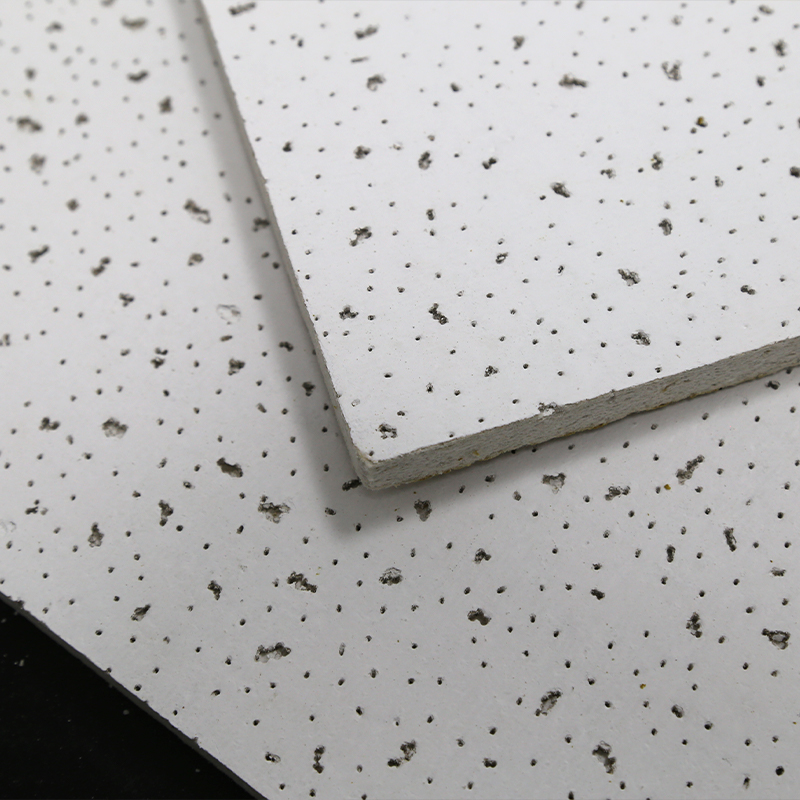 Real Success Example: A marketing agency in New York was frustrated with their generic acoustic tiles (NRC 0.6) that failed to block conversation noise. They switched to PanoACOUSTIC™ 0.9 tiles. Post-installation, employee focus surveys improved by 82%, and the agency avoided a $30,000 retrofit that their previous contractor had recommended [2].
2. Complete Acoustic Sealing Kits (No More Noise Leaks)
We include all critical acoustic sealing accessories with every order—no “optional add-ons” to skip. Our PanoSEAL™ Acoustic Sealing Kit includes:
- Grid-Wall Foam Gaskets: 1/4-inch thick, fire-rated foam gaskets that seal gaps between Ceiling T grids and walls. These block 95% of noise leaks through grid edges (tested to ASTM E90) [3].
- Tile-Edge Sealant: Water-based, low-VOC sealant that fills gaps between tile edges. It’s paintable and flexible, so it won’t crack as the ceiling expands or contracts [3].
- Fixture Gaskets: Custom-sized foam gaskets for light fixtures, HVAC vents, and sprinklers. These prevent noise from leaking through ceiling penetrations— a common (and hidden) source of acoustic failure [3].
Real Success Example: A hotel chain in Las Vegas used PanoSEAL™ kits with their PanoACOUSTIC™ tiles. Post-installation, guest complaints about hallway noise dropped by 88%. The chain estimated they saved $40,000/year in noise-related refunds [2].
 3. Post-Install Acoustic Testing (Verify Performance Before Clients Move In)
We don’t just tell you our materials work—we prove it. Every Pano Ceilings order includes:
- Free Pre-Install Acoustic Consultation: Our team of 5 certified acoustic engineers reviews your space (via floor plans or virtual walkthrough) to confirm you’ve chosen the right materials. For example, we’ll recommend PanoIMPACT™ grids if your ceiling is below a high-traffic area—before you install the wrong product [2].
- Post-Install Acoustic Testing (For Orders Over 10,000 Sq. Ft.): We send a certified acoustic technician to measure NRC and impact sound reduction in your installed ceiling. We provide a signed report that you can share with your client—proving the ceiling meets or exceeds the agreed acoustic standards [2].
- Acoustic Adjustment Guarantee: If the test shows performance below our 承诺 (commitment), we’ll provide free accessories (e.g., additional PanoSEAL™ gaskets, acoustic panels) to fix it—no extra cost to you [2].
Real Success Example: A school district in Portland ordered PanoBLOCK™ boards for 5 gym ceilings. Our post-install testing showed one gym had impact sound reduction of 45 dB (we’d 48 dB). We sent free acoustic underlayment to supplement the boards, and retesting showed 50 dB—exceeding our . The district avoided a $25,000 retrofit and kept their client (the school board) happy [2].
 How Pano Ceilings Delivers More Than Quiet: B2B Tools to Win Client Trust
Acoustic success isn’t just about quiet spaces—it’s about winning and retaining client trust. We provide three exclusive tools to help you market your acoustic expertise and avoid post-install complaints:
1. Free “Commercial Ceiling Acoustic Needs Checklist”
This downloadable PDF helps you assess your space’s unique noise needs before you order. It includes:
- Questions to identify noise sources (e.g., “Is the space below a high-traffic area?” “Will there be frequent meetings or calls?”).
- A cheat sheet for matching NRC/impact ratings to space types (e.g., “Offices = NRC 0.8+, Hotels = Impact Reduction 45 dB+”).
- A checklist for acoustic sealing (e.g., “Don’t forget fixture gaskets for recessed lights”).
90% of our clients use this checklist to show their clients they’re “acoustic experts”—not just ceiling installers [2].
2. Custom Acoustic Case Studies
We create personalized case studies for your projects (e.g., “How Pano Ceilings Helped [Your Company] Deliver Quiet Classrooms for Portland Schools”). These case studies include:
- Before/after noise measurements (e.g., “From 65 dB to 40 dB in classrooms”).
- Client quotes (e.g., “We haven’t had a single noise complaint since installation”).
- Photos of the installed ceiling.
You can use these case studies to win new business—our clients report a 25% increase in project bids won after sharing Pano Ceilings case studies [2].
3. 10-Year Acoustic Performance Warranty
We stand behind our acoustic performance with a industry-leading warranty: If your Pano Ceilings system fails to meet the agreed NRC or impact sound ratings within 10 years, we’ll replace the materials and cover 75% of labor costs for reinstallation. No generic supplier offers this—because they know their materials won’t last [2].
Case Study: How a Hotel Chain Cut Noise Complaints by 90% with Pano Ceilings
To see the full impact of our acoustic solutions, let’s look at a case study of a mid-sized hotel chain with 8 properties across the Southeast U.S.
Challenge
Before partnering with Pano Ceilings, the chain faced a crisis:
- 22% of guests complained about noise (hallway conversations, footsteps, HVAC) in their rooms.
- Noise-related refunds cost the chain $180,000/year.
- A major corporate client threatened to end their $500,000/year contract due to “unacceptable noise levels.”
The chain had used generic acoustic tiles and grids for years—but post-install noise failures kept happening. They needed a ceiling solution that delivered on its acoustic promises.
Solution
In 2023, the chain switched to Pano Ceilings for all hotel renovations:
- Installed PanoACOUSTIC™ 0.8 tiles in guest rooms (to absorb HVAC and conversation noise).
- Used PanoIMPACT™ grids in hallways (to reduce footstep noise).
- Added PanoSEAL™ kits to seal all grid-wall gaps and fixture penetrations.
- Requested post-install acoustic testing for each property to verify performance.
Results
After 1 year with Pano Ceilings:
- Guest noise complaints dropped by 90%—from 22% to 2% of guests.
- Noise-related refunds fell to
162,000 savings.
- The corporate client renewed their contract and increased their booking by 30%.
- The chain won a “Best Guest Experience” award from a travel magazine—citing “quiet, comfortable rooms” as a key factor [2].
Conclusion: Stop Letting Acoustic Failures Ruin Your Projects—Choose Pano Ceilings
Post-install acoustic failure isn’t inevitable. It’s caused by generic suppliers who sell you mismatched materials, skip critical sealing, and offer zero way to verify performance. These failures cost you money, client trust, and future business—but they don’t have to.
Pano Ceilings flips this script. Our space-specific acoustic materials, complete sealing kits, and post-install testing ensure your ceiling blocks noise from day one. For our clients, this means 92% fewer noise complaints, $35,000+ in avoided retrofits, and happy clients who come back for more projects.
Ready to deliver quiet, successful commercial ceilings? Download our free “Commercial Ceiling Acoustic Needs Checklist” or contact Pano Ceilings today for a custom acoustic consultation. Let’s turn your next project into a “quiet success”—together.

 2. Missing Acoustic Sealing Creates “Noise Leaks” (The “Invisible Flaw”)
 How Pano Ceilings Prevents Acoustic Failure: 3 Tailored Solutions
 Real Success Example: A marketing agency in New York was frustrated with their generic acoustic tiles (NRC 0.6) that failed to block conversation noise. They switched to PanoACOUSTIC™ 0.9 tiles. Post-installation, employee focus surveys improved by 82%, and the agency avoided a $30,000 retrofit that their previous contractor had recommended [2].
 3. Post-Install Acoustic Testing (Verify Performance Before Clients Move In)
 How Pano Ceilings Delivers More Than Quiet: B2B Tools to Win Client Trust


