
For ceiling dealers navigating global supply chains, inventory management often feels like walking a tightrope. Lean too far-earned customers to competitors. Tip toward overstock, and watch capital evaporate in warehousing costs and dead stock. This operational paradox stems from three systemic flaws in traditional supply models:
Supplier MOQ Tyranny
Manufacturers frequently impose Minimum Order Quantities (MOQs) that force dealers to purchase 6-12 months of inventory upfront. A Southeast Asian dealer we interviewed lamented: "Last quarter, I needed just 300 cartons to cover project demand. My supplier’s 1,500-carton MOQ forced me to tie up $38,000 unnecessarily." This capital lockup creates a vicious cycle where cash-strapped dealers can’t replenish fast-moving SKUs.
Demand Forecasting Blind Spots
Without AI-driven analytics, dealers rely on historical sales data that ignores real-time variables like regional construction booms or material shortages. When a major hotel chain in Germany suddenly accelerated renovations post-pandemic, dealers using traditional forecasting models faced 68-day stockout gaps – losing €1.2M in collective revenue.
Geographic Delivery Delays
The 45-60 day ocean freight cycles from Asian factories leave dealers perpetually reactive. During Miami’s hurricane rebuild surge, East Coast distributors averaged 22% stockout rates despite overordering, simply because shipments arrived after project deadlines.
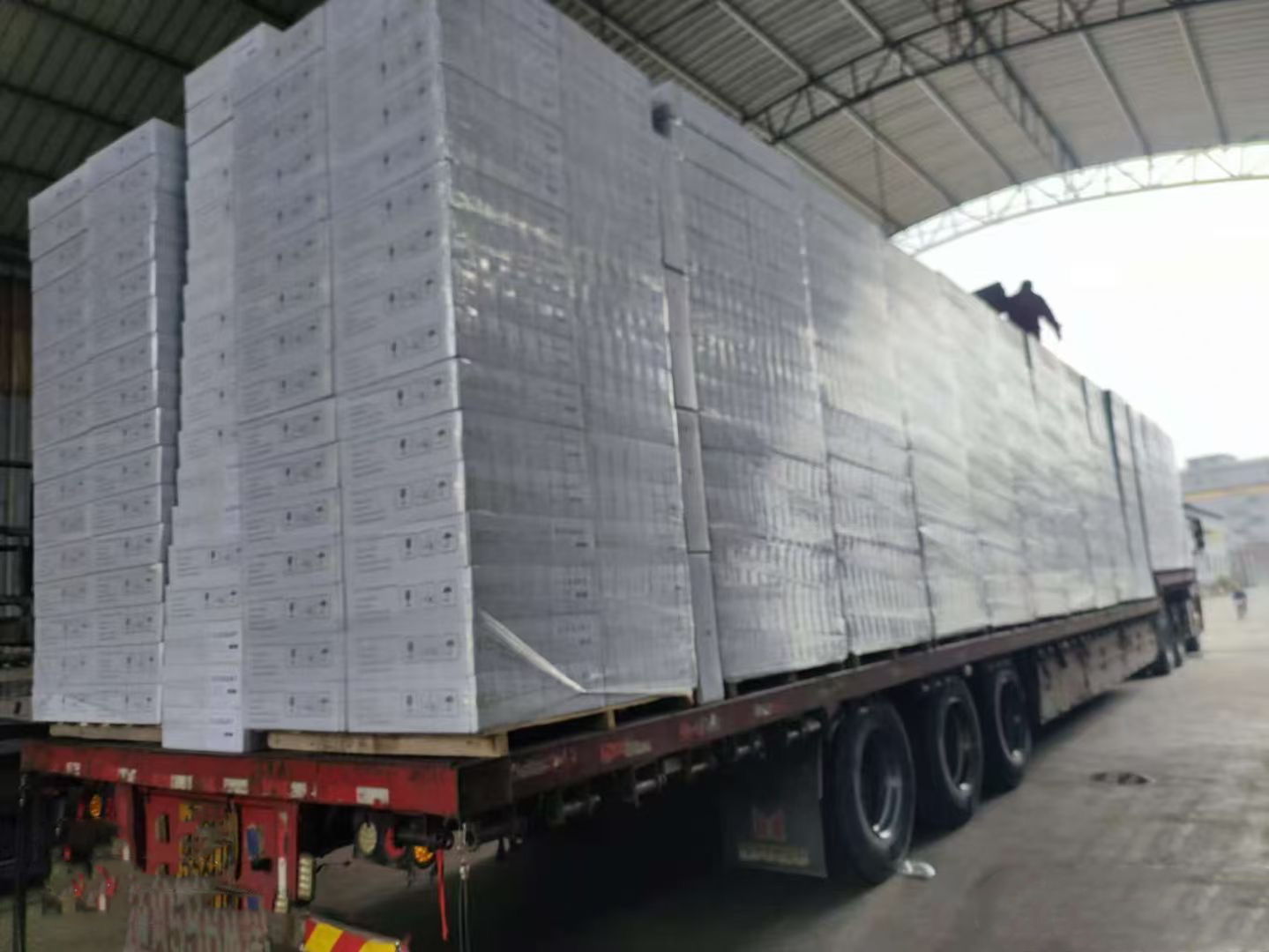 The Smart Inventory Revolution
Progressive suppliers are deploying three strategic solutions to break this cycle:
Leading manufacturers now offer tiered MOQs aligned with actual dealer throughput. Pano’s 500 sq.ft modular ceiling program exemplifies this shift, allowing dealers to order project-specific quantities while maintaining bulk pricing advantages. Chicago-based dealer MetroCeil reports 37% less capital tied up in inventory since adopting flexible ordering.
Machine learning algorithms now process real-time data streams from construction permits, commodity prices, and even weather patterns. Pano’s Inventory Vision System alerts dealers to regional demand spikes 8-10 weeks in advance, reducing forecasting errors by up to 73% according to EU distributor trials.
Strategic warehouse placement slashes delivery timelines. With Pano’s regional hubs in Rotterdam and Los Angeles, 92% of orders reach European/North American dealers within 72 hours. The Singapore warehouse similarly covers ASEAN demand, eliminating ocean freight uncertainties for Southeast Asian partners.
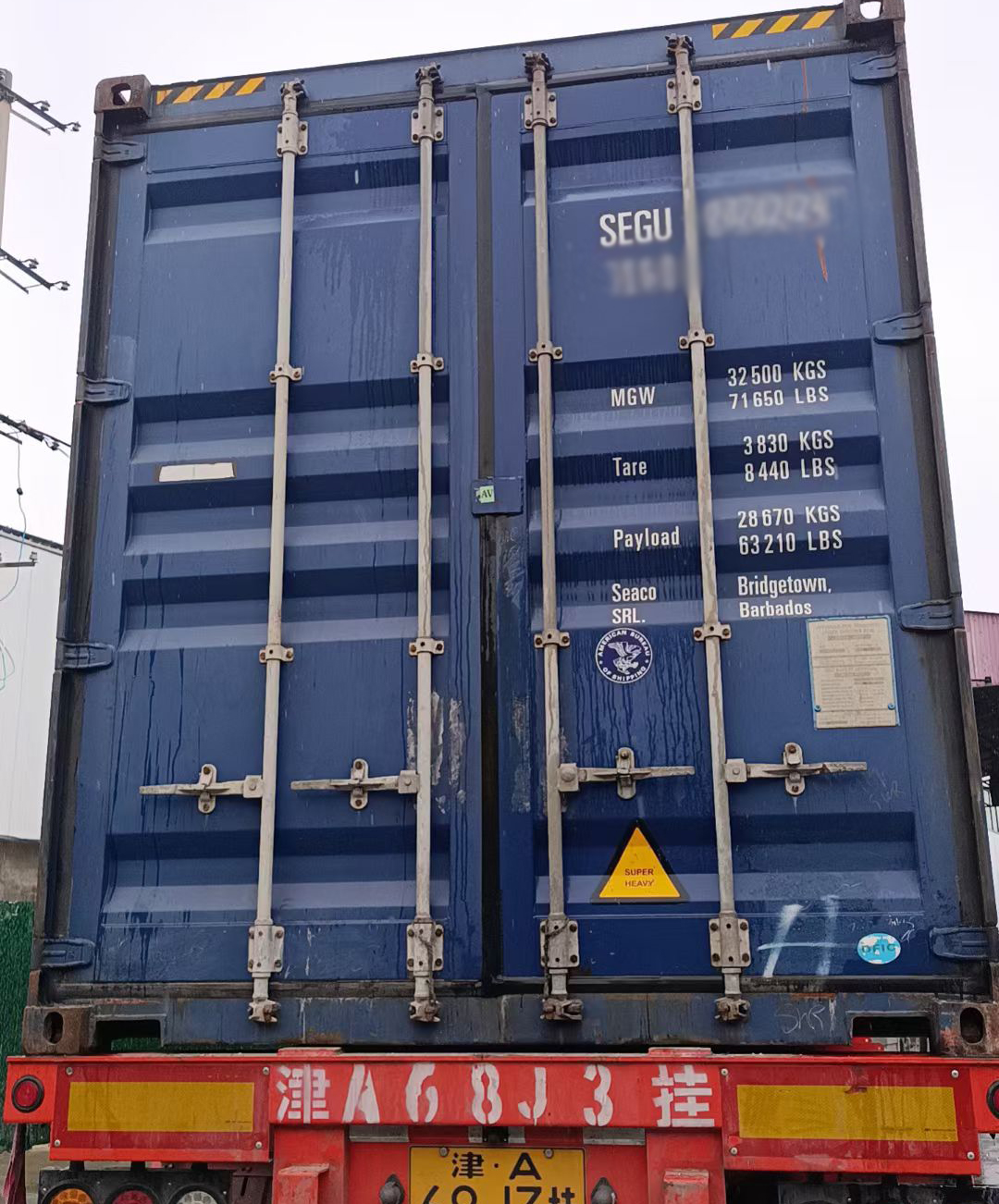 Beyond Balance Sheets: The Ripple Effect
When Dubai-based dealer Luxe Interiors implemented this triad, unexpected benefits emerged:
The new paradigm transforms inventory from a liability into a strategic asset. As supply chains grow more volatile, dealers leveraging smart inventory systems gain decisive competitive edges – turning the inventory tightrope into a growth runway.


