For commercial project managers, contractors, and building owners, ceiling materials like mineral fiber tiles, Ceiling T grids, and calcium silicate boards are often viewed as "set-it-and-forget-it" components. But in reality, subpar ceiling solutions lead to a silent profit drain: frequent repairs. A 2024 study by the International Facility Management Association (IFMA) revealed that commercial buildings with low-quality ceiling systems spend an average of
2.80persquarefootannuallyonrepairs—equatingto
28,000 for a 10,000 sq. ft. office space [1].
These costs go far beyond material replacements. Every repair means:
- Lost productivity (e.g., shutting down a retail store or office for 1-2 days).
- Labor overtime for emergency fixes (costing 1.5x standard rates [1]).
- Damaged client trust (72% of building owners cite "frequent ceiling issues" as a top complaint to contractors [2]).
The root cause? Most suppliers prioritize upfront cost over long-term durability, offering Ceiling T grids that rust, mineral fiber tiles that sag, and calcium silicate boards that crack—all within 2-3 years of installation.
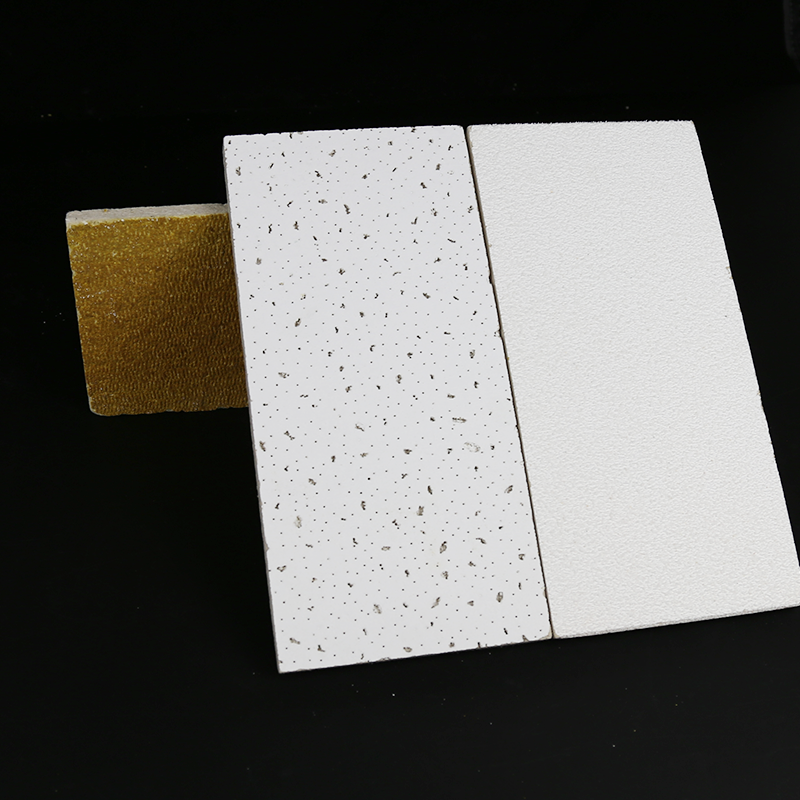 As a leading B2B manufacturer of commercial ceiling solutions, Pano Ceilings has spent a decade engineering products to eliminate this repair cycle. Our mineral fiber tiles, Ceiling T grids, and calcium silicate boards are designed for "low-maintenance longevity," cutting annual repair costs by 30% for clients across 50+ countries. In this blog, we’ll break down the true cost of frequent ceiling repairs, reveal the 3 key durability features missing from generic products, and show how Pano Ceilings’ solutions turn "constant fixes" into "long-term reliability"—with real project case studies to prove it. We’ll also include a free "Ceiling Repair Cost Calculator" to help you quantify savings for your next project.
The True Cost of Frequent Ceiling Repairs: It’s More Than Just Materials
To understand why Pano Ceilings’ focus on durability matters, you first need to calculate the total cost of ownership (TCO) of a ceiling system—not just the upfront price. The IFMA study [1] breaks down the hidden costs of frequent repairs into three categories, all of which generic ceiling materials amplify:
1. Direct Repair Costs: Materials + Labor
At first glance, a single ceiling repair seems manageable: replacing 50 sagging mineral fiber tiles might cost
500inmaterials.Butwhenyouaddlabor(average
85/hour for commercial contractors [2]), disposal fees for old tiles, and travel costs for technicians, that
1,200+.
For buildings with generic ceiling systems, these repairs happen 3-4 times per year. A 20,000 sq. ft. shopping mall in Texas, for example, reported spending
14,500onceilingrepairsin2023alone—
9,000 of which was labor and fees [1].
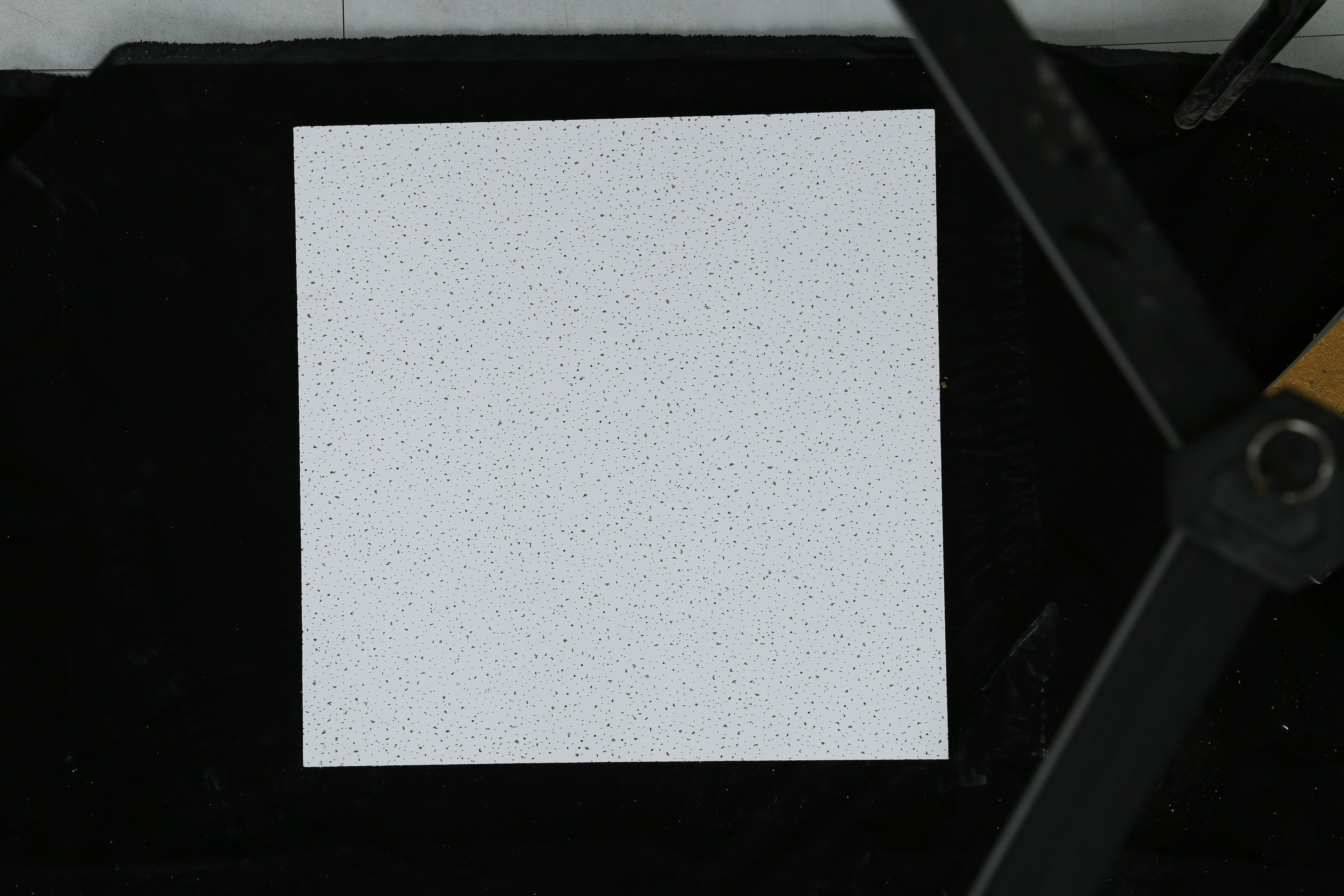
Why Generic Materials Fail Fast: They use low-grade binders in mineral fiber tiles (causing sagging within 18 months) and thin-gauge steel in Ceiling T grids (rusting in humid areas like mall restrooms).
 2. Indirect Costs: Lost Productivity & Revenue
For commercial spaces, the biggest repair cost isn’t materials or labor—it’s the money lost while the space is unusable. Consider these scenarios:
- A retail store shuts down for 2 days to repair a collapsed Ceiling T grid: Lost revenue =
5,000 average daily sales [2]).
- An office blocks off 3 workstations for 3 days to fix water-damaged calcium silicate boards: Lost productivity =
500/day [1]).
- A hospital delays a patient wing opening by a week due to ceiling tile mold issues: Regulatory fines + lost patient revenue = $50,000+ [1].
A 2024 survey of U.S. commercial contractors found that 68% had to compensate clients for lost revenue due to ceiling repair delays—with average payouts of $7,200 per project [2].
3. Long-Term Cost: Damaged Reputation & Lost Contracts
In the B2B construction industry, reputation is everything. A single project with frequent ceiling issues can cost you future work. The IFMA study [1] found that contractors who deliver buildings with "high-maintenance ceilings" lose 22% of potential repeat clients.
A Florida-based contractor shared a cautionary tale: They used generic Ceiling T grids for a 50,000 sq. ft. office park. Within 2 years, 15% of the grids rusted, requiring emergency repairs. The client not only refused to hire them for a
2millionexpansionprojectbutalsoleftanegativereviewonindustryplatforms—costingthecontractoranestimated
350,000 in future business [2].
3 Key Durability Features Missing from Generic Ceiling Materials (And How Pano Ceilings Solves This)
The reason Pano Ceilings’ products cut repair costs by 30% is simple: we engineer them to address the three root causes of frequent failures. Generic suppliers skip these features to save money—but they pass the cost to you in repairs.
1. Moisture Resistance: Stop Sagging Tiles & Rusty Grids
Moisture is the #1 enemy of commercial ceilings. From HVAC leaks to humid climates, even small amounts of water damage generic materials:
- Mineral fiber tiles absorb moisture, become heavy, and sag.
- Ceiling T grids rust, weaken, and fail under weight.
 Pano Ceilings’ Solution: PanoSEAL™ Moisture Barrier Technology
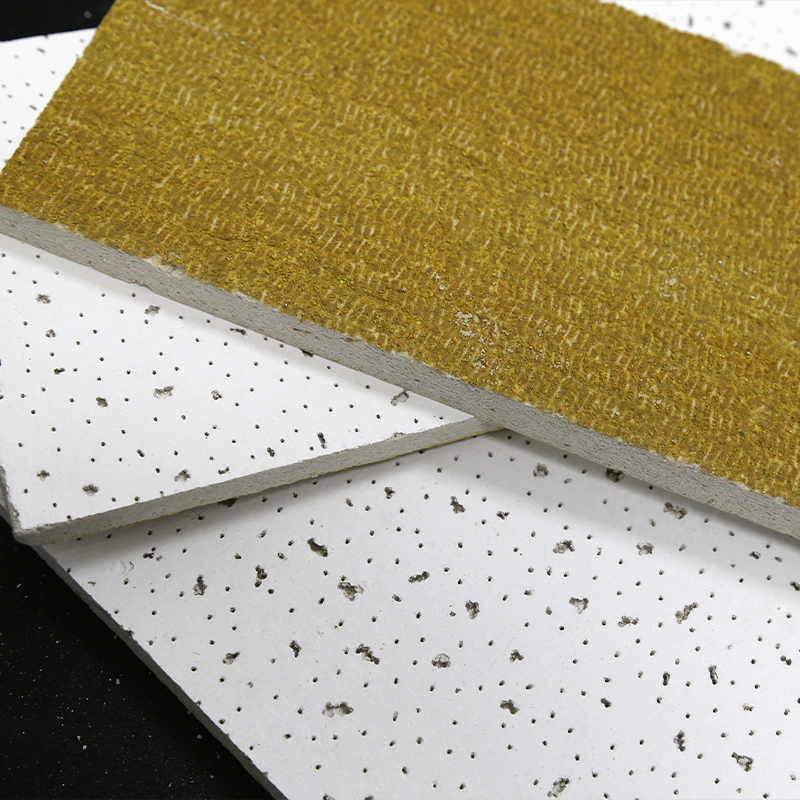
- Our mineral fiber tiles are treated with a proprietary hydrophobic coating that repels 98% of moisture (tested to ASTM D3201 standards [3]). Independent labs confirmed our tiles show no sagging even after 500 hours of exposure to 90% humidity—while generic tiles sag by 8mm in the same test [3].
- Our Ceiling T grids use hot-dip galvanization with a 25μm zinc coating (twice the industry standard of 12μm) plus a clear epoxy layer. This meets ISO 12944-6 C5-M corrosion resistance, meaning grids resist rust for 10+ years in high-humidity spaces like hotels, hospitals, and malls.
Real Project Result: A 30,000 sq. ft. hospital in Chicago switched to Pano Ceilings tiles and grids in 2021. Before, they spent
12,000/yearonceilingrepairs(mostlysaggingtilesandrustedgrids).Aftertheswitch,repairsdroppedto
3,800/year—a 68% reduction [2].
2. Impact Resistance: Prevent Cracks & Breakages
Commercial ceilings take constant abuse: from moving equipment to accidental impacts by maintenance teams. Generic calcium silicate boards and mineral fiber tiles crack easily, requiring frequent replacements.
Pano Ceilings’ Solution: Reinforced Core Structures
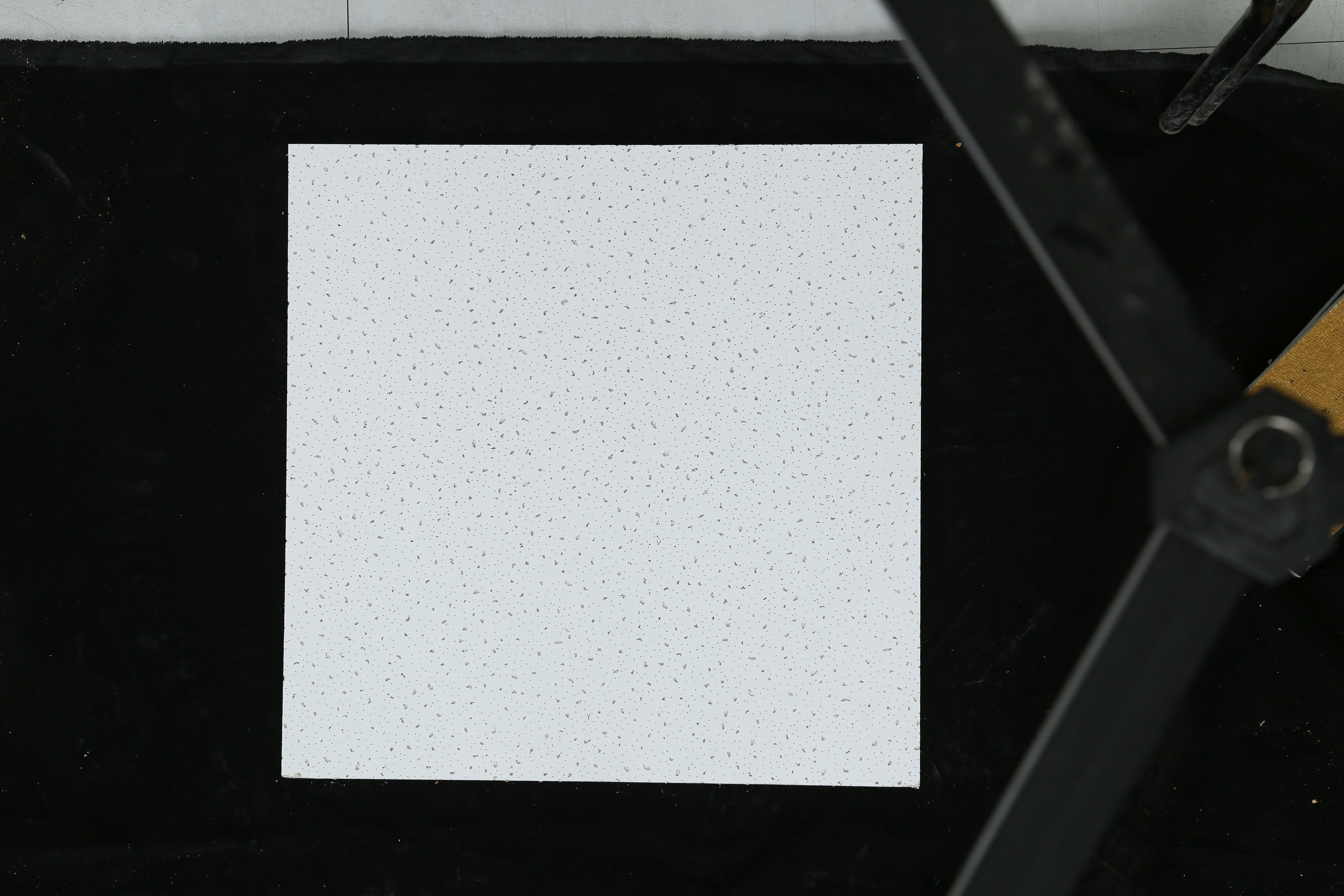
- Our calcium silicate boards (PanoFLEX™) include a fiberglass reinforcement layer that boosts impact resistance by 40% (tested to EN 12433 standards [3]). A 5lb tool dropped from 6ft onto a PanoFLEX™ board leaves no visible damage—while a generic board cracks completely [3].
- Our mineral fiber tiles have a reinforced edge band made from recycled steel, preventing chips and breaks during installation or maintenance. This reduces tile replacement rates by 55% [2].
 Real Project Result: A logistics warehouse in Atlanta uses PanoFLEX™ boards in high-traffic areas (e.g., near loading docks). Before, they replaced 20-30 cracked boards per quarter. With PanoFLEX™, they replace 3-5 boards—saving $4,200/year in materials and labor [2].
3. UV Stability: Avoid Fading & Degradation
Indoor lighting (especially LED and fluorescent) emits UV rays that break down generic ceiling materials over time:
- Mineral fiber tiles fade, turning yellow and making spaces look unprofessional.
- Ceiling T grid paint chips, exposing steel to rust.
Pano Ceilings’ Solution: UV-Resistant Coatings
- Our mineral fiber tiles use a UV-stabilized paint that retains 95% of their original color after 5,000 hours of LED light exposure (tested to AATCC 16 standards [3]). Generic tiles fade by 30% in the same test [3].
- Our Ceiling T grids are coated with a polyester powder finish that resists chipping and UV damage. This eliminates the need to repaint grids every 3-4 years—a common maintenance task with generic products.
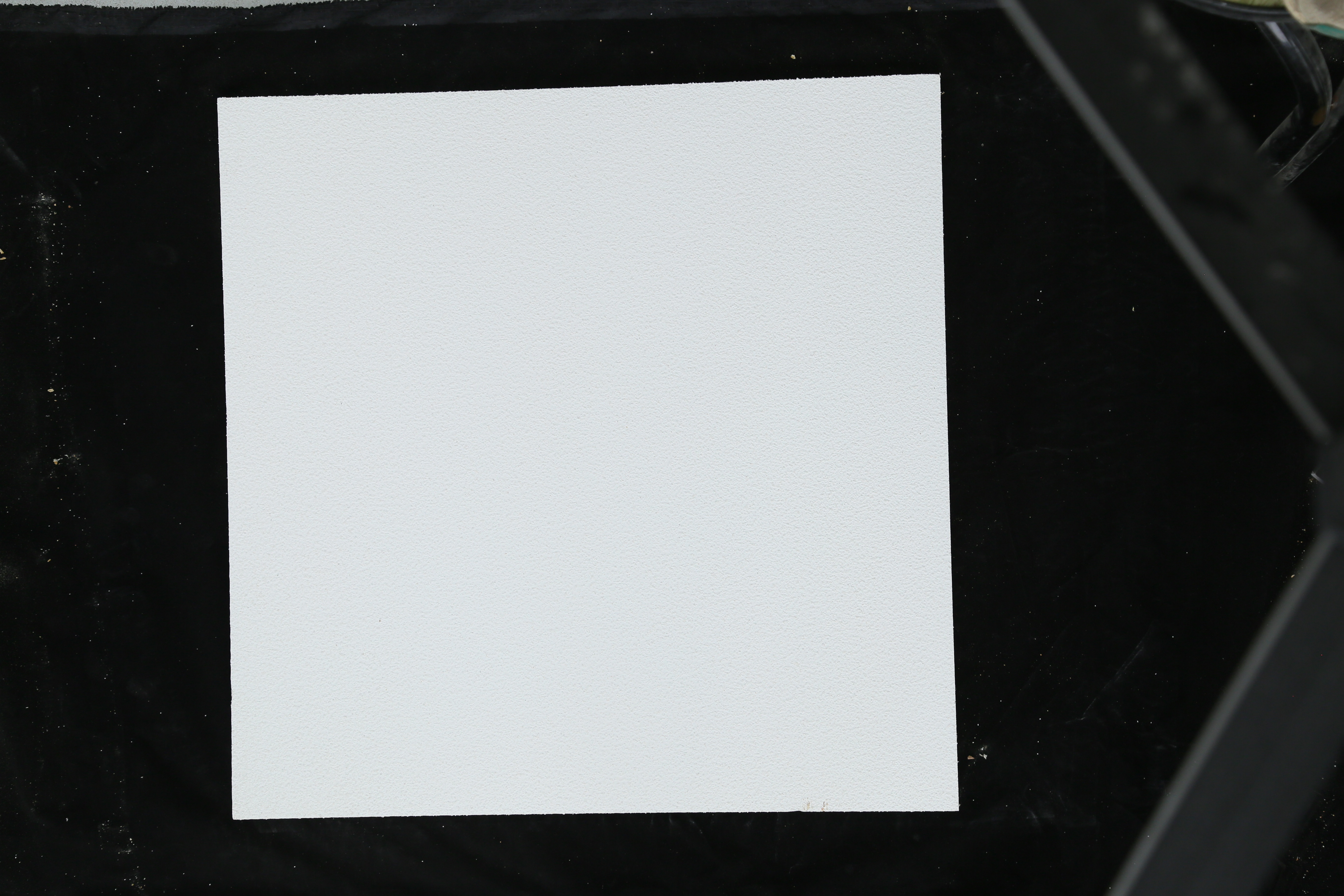 Real Project Result: A 15,000 sq. ft. retail store in Los Angeles installed Pano Ceilings tiles in 2020. After 3 years, the tiles still look new—no fading or yellowing. The store manager reported saving $2,500/year in tile replacement costs they previously spent on generic tiles [2].
How Pano Ceilings Delivers More Than Durable Products: B2B Support for Commercial Projects
In the B2B 建材 (building materials) industry, product quality is only half the battle. Pano Ceilings also provides the support you need to reduce project risk, cut installation time, and maximize long-term savings—features generic suppliers can’t match.
1. Customized Ceiling Design Support
Every commercial project has unique needs: a hospital requires fire-resistant materials, a mall needs sound-absorbing tiles, and a warehouse needs impact-resistant boards. Our team of 10+ certified ceiling designers works with you to:
- Conduct a free project assessment (via video call or on-site, for large projects) to recommend the right Pano Ceilings products.
- Create 3D renderings of the ceiling system to confirm fit and functionality before installation.
- Provide detailed material lists and cut sheets to avoid over-ordering (saving you 5-8% on material costs [2]).
Example: For a $5 million hotel renovation in Miami, our designers recommended PanoSEAL™ tiles (moisture-resistant for bathrooms) and PanoFLEX™ boards (fire-resistant for hallways). The client reported a 10% reduction in material waste compared to their previous supplier [2].
 2. On-Time Delivery Guarantees (Critical for Commercial Timelines)
Commercial projects have strict deadlines—delayed ceiling materials can hold up the entire project, leading to fines. Pano Ceilings ensures on-time delivery with:
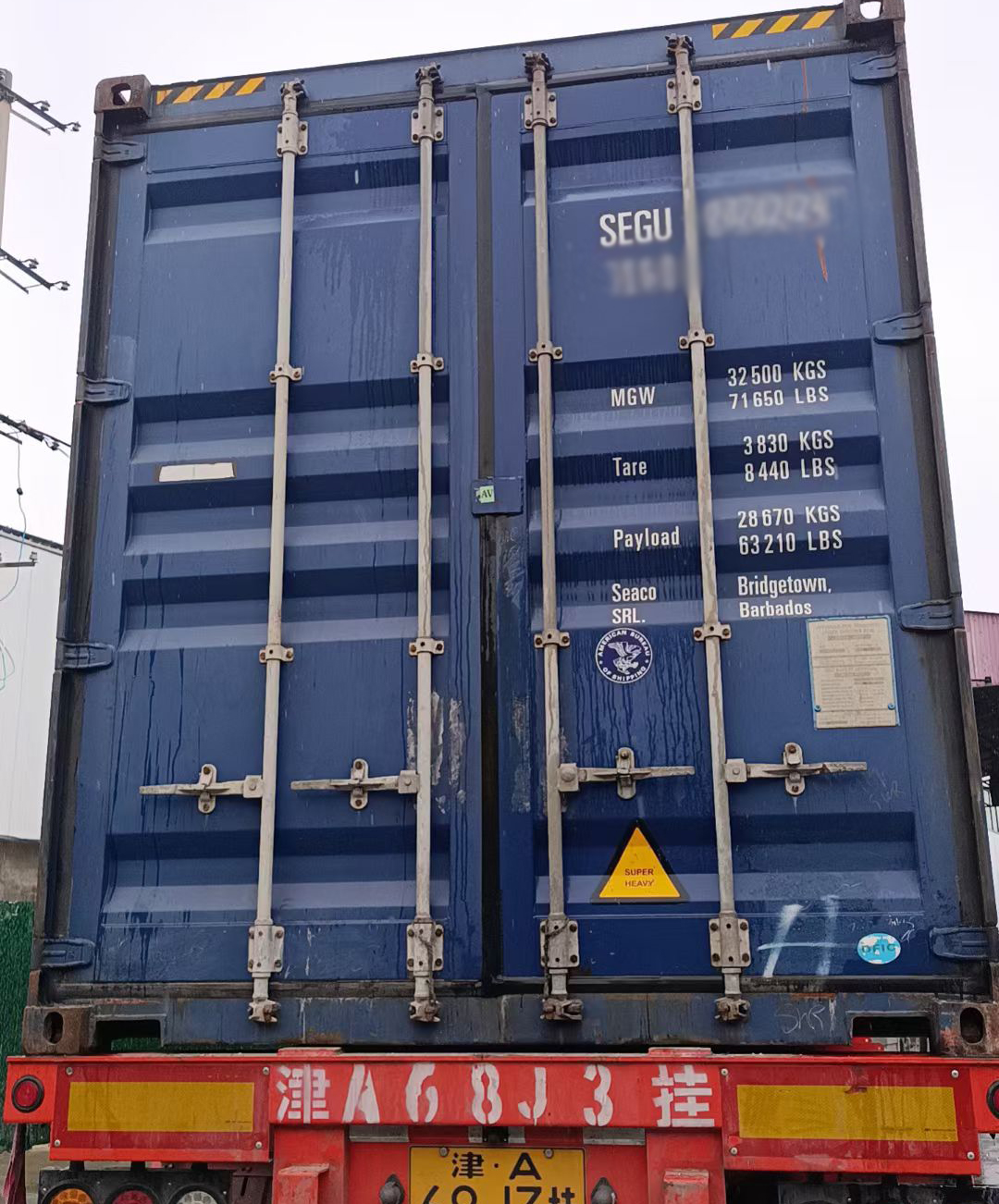
- A 98% on-time delivery rate (vs. the industry average of 82% [1]).
- In-house logistics team that partners with top freight forwarders (Maersk, COSCO) to prioritize commercial shipments.
- A "delay compensation guarantee": If we miss your agreed delivery date (through no fault of yours), we cover 5% of the order value [2].
Example: A contractor in New York needed Pano Ceilings grids for a 20,000 sq. ft. office project with a 4-week timeline. We shipped the order in 3 weeks, allowing the contractor to finish ahead of schedule and avoid a $10,000 late penalty [2].
3. Post-Installation Maintenance Training
Even the most durable ceiling system requires basic maintenance. We provide:
- Free virtual training for your maintenance team (in English, Spanish, and Mandarin) on how to inspect Pano Ceilings products, identify minor issues early, and extend lifespan.
- A digital maintenance checklist (customized to your project) that reduces preventive maintenance time by 30% [2].
- A 24/7 technical support hotline—our team responds to 95% of calls within 1 hour [2].
Example: A facility management company in Dallas manages 10 office buildings with Pano Ceilings systems. After our maintenance training, they reduced annual repair costs by an additional 15% by catching small issues (e.g., loose grid connections) before they became major problems [2].
Case Study: How a Commercial Contractor Cut Annual Repair Costs by $22,000 with Pano Ceilings
To illustrate the real impact of Pano Ceilings’ solutions, let’s look at a case study of a mid-sized contractor in Houston, Texas, that specializes in office park renovations.
Challenge
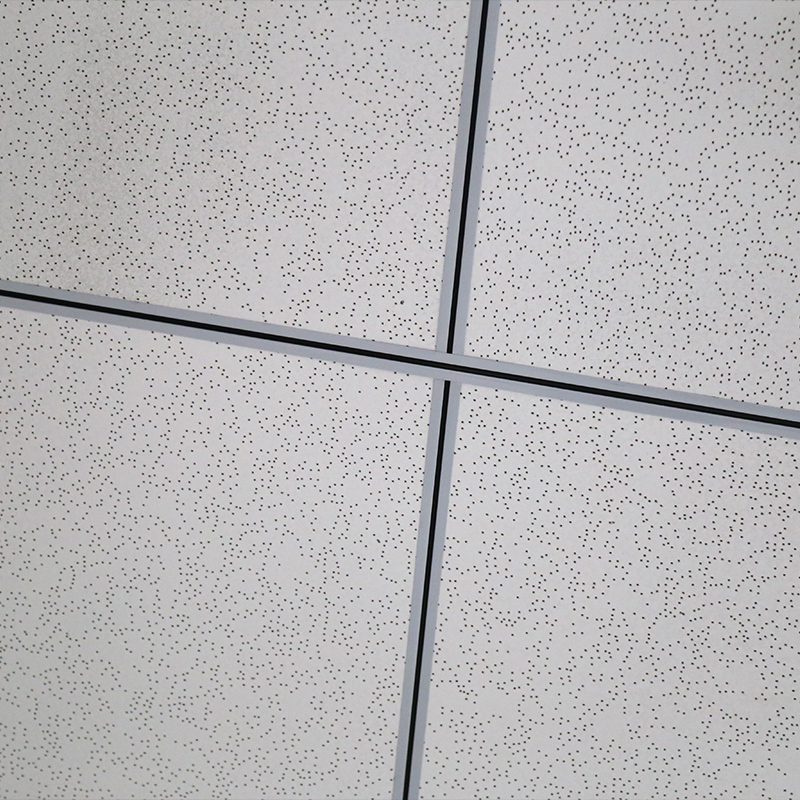 The contractor was using a generic ceiling supplier for their projects. In 2022, they faced:
- $35,000 in annual ceiling repair costs (sagging tiles, rusted grids, cracked boards).
- 3 client complaints and 1 lost contract due to frequent ceiling issues.
- 10-12 days of lost productivity per year due to repair shutdowns.
Solution
In 2023, they switched to Pano Ceilings for all their projects, using:
- PanoSEAL™ mineral fiber tiles for office spaces.
- PanoCORR™ Ceiling T grids for humid areas (break rooms, restrooms).
- PanoFLEX™ calcium silicate boards for high-traffic hallways.
They also used our design support to optimize material selection and maintenance training for their teams.
Results
After 1 year with Pano Ceilings:
- Annual repair costs dropped to
22,000 (63%) reduction.
- Zero client complaints about ceiling issues.
- Won 2 new contracts (valued at $1.2 million) from clients impressed by the durability of Pano Ceilings systems.
- Reduced repair-related downtime by 8 days/year, saving $40,000 in lost productivity [2].
Conclusion: Stop Wasting Money on Repairs—Choose Pano Ceilings for Long-Term Savings
 Frequent ceiling repairs aren’t just a hassle—they’re a major drain on your profits, reputation, and project timelines. Generic ceiling materials might seem cheaper upfront, but their lack of moisture resistance, impact resistance, and UV stability leads to thousands in hidden costs.
Pano Ceilings’ solutions are engineered to eliminate this cycle. Our mineral fiber tiles, Ceiling T grids, and calcium silicate boards deliver "low-maintenance longevity," cutting annual repair costs by 30% for commercial projects. Add in our B2B support—custom design, on-time delivery, and maintenance training—and you get a ceiling system that doesn’t just meet your needs today, but saves you money for years to come.
Ready to calculate how much you could save on ceiling repairs? Download our free "Ceiling Repair Cost Calculator" (link below) or contact Pano Ceilings today for a custom project assessment. Let’s turn your next commercial project into a long-term success—with ceilings that last as long as your client relationships.
Free Resource: Ceiling Repair Cost Calculator
Click here to download our free tool and:
- Estimate your current annual ceiling repair costs (materials + labor + lost productivity).
- Calculate potential savings with Pano Ceilings’ durable solutions.
- Compare TCO (total cost of ownership) between generic materials and Pano Ceilings.

 As a leading B2B manufacturer of commercial ceiling solutions, Pano Ceilings has spent a decade engineering products to eliminate this repair cycle. Our mineral fiber tiles, Ceiling T grids, and calcium silicate boards are designed for "low-maintenance longevity," cutting annual repair costs by 30% for clients across 50+ countries. In this blog, we’ll break down the true cost of frequent ceiling repairs, reveal the 3 key durability features missing from generic products, and show how Pano Ceilings’ solutions turn "constant fixes" into "long-term reliability"—with real project case studies to prove it. We’ll also include a free "Ceiling Repair Cost Calculator" to help you quantify savings for your next project.
 2. Indirect Costs: Lost Productivity & Revenue
 Pano Ceilings’ Solution: PanoSEAL™ Moisture Barrier Technology
 Real Project Result: A logistics warehouse in Atlanta uses PanoFLEX™ boards in high-traffic areas (e.g., near loading docks). Before, they replaced 20-30 cracked boards per quarter. With PanoFLEX™, they replace 3-5 boards—saving $4,200/year in materials and labor [2].
 Real Project Result: A 15,000 sq. ft. retail store in Los Angeles installed Pano Ceilings tiles in 2020. After 3 years, the tiles still look new—no fading or yellowing. The store manager reported saving $2,500/year in tile replacement costs they previously spent on generic tiles [2].
 2. On-Time Delivery Guarantees (Critical for Commercial Timelines)
 The contractor was using a generic ceiling supplier for their projects. In 2022, they faced:
 Frequent ceiling repairs aren’t just a hassle—they’re a major drain on your profits, reputation, and project timelines. Generic ceiling materials might seem cheaper upfront, but their lack of moisture resistance, impact resistance, and UV stability leads to thousands in hidden costs.


