Earthquakes are unpredictable and destructive forces that test the structural integrity of buildings and their components. For architects, contractors, and property owners, choosing construction materials that can withstand seismic activity is not just a matter of compliance—it’s a commitment to protecting lives and investments. When it comes to ceiling systems, T grid (T bar) frameworks paired with mineral fiber ceiling tiles are emerging as reliable choices for earthquake-prone regions. At the forefront of this seismic-ready innovation is Pano Ceilings, a brand that engineers its T grid and mineral fiber tile systems to deliver exceptional performance without compromising on functionality or design.
The Basics: Why Ceiling Systems Matter in Earthquakes
During an earthquake, buildings undergo lateral (side-to-side) and vertical (up-and-down) movements, placing stress on every component—including ceilings. Traditional ceiling systems that lack seismic design often suffer from tiles falling, grids collapsing, or connections loosening. These failures pose immediate risks: falling tiles can injure occupants, block escape routes, or damage equipment below. Additionally, collapsed ceilings increase recovery costs and extend downtime for commercial or residential spaces.
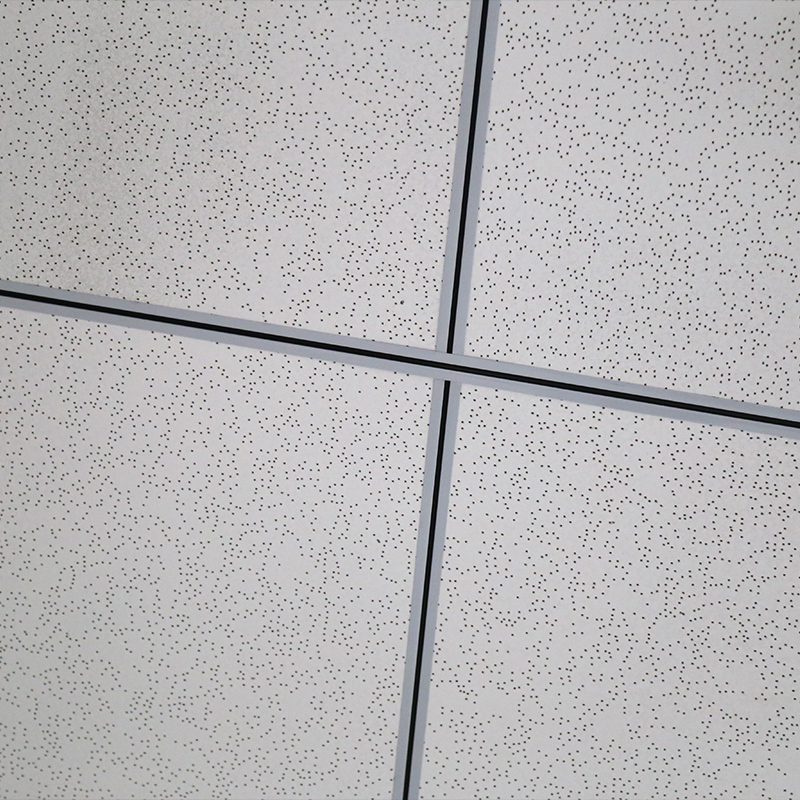
This is where Pano Ceilings’ T grid and mineral fiber tile systems stand out. Unlike generic ceiling solutions, our products are designed with seismic resilience as a core feature. By combining robust T grid frameworks with lightweight, flexible mineral fiber tiles, we create systems that absorb, distribute, and dissipate seismic forces—reducing the likelihood of catastrophic failure when it matters most.
Pano Ceilings’ T Grid: The Seismic-Ready Backbone
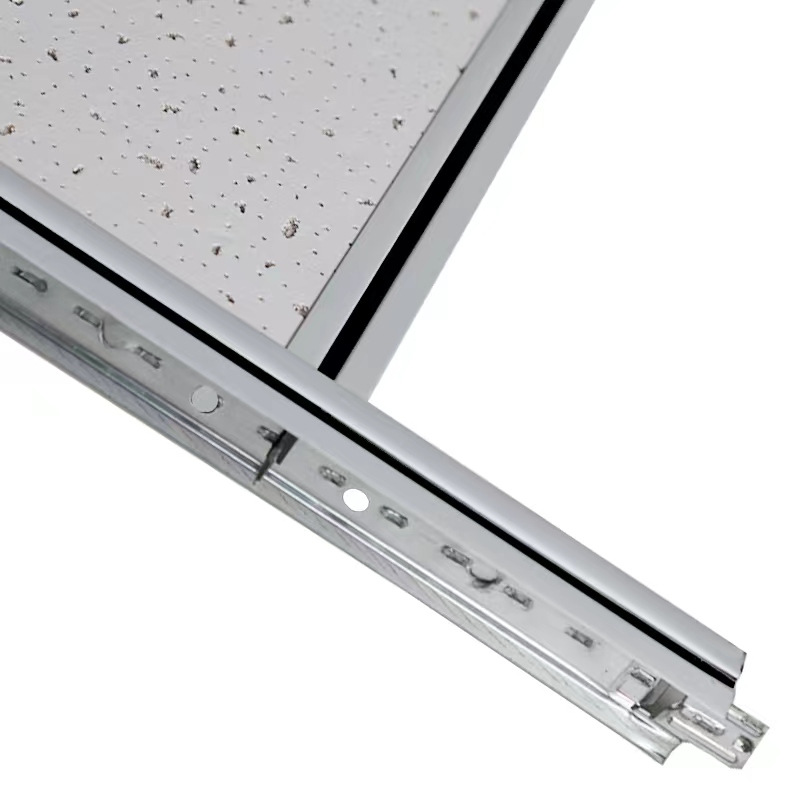
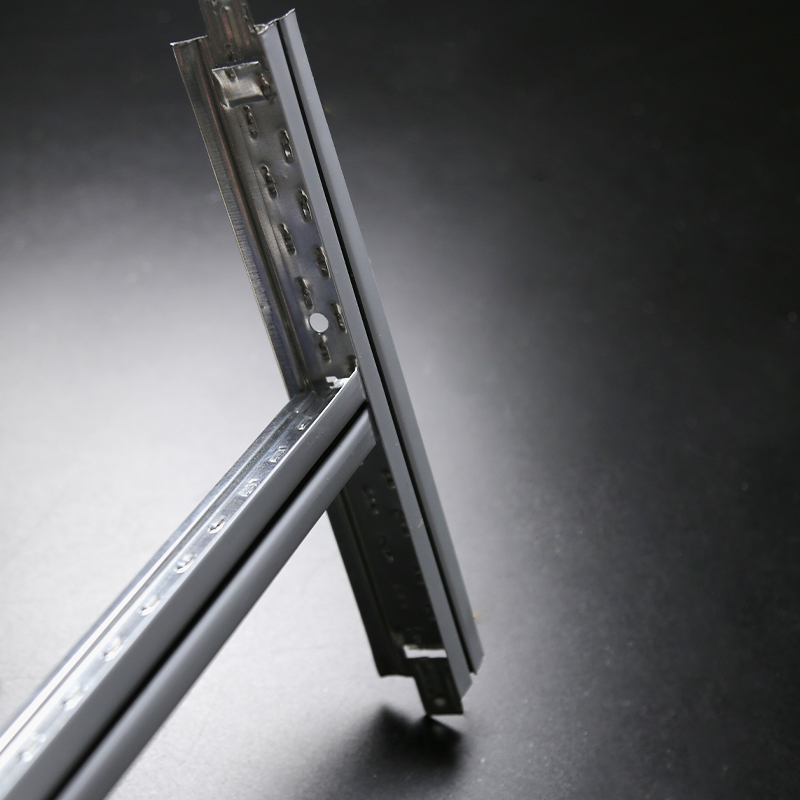
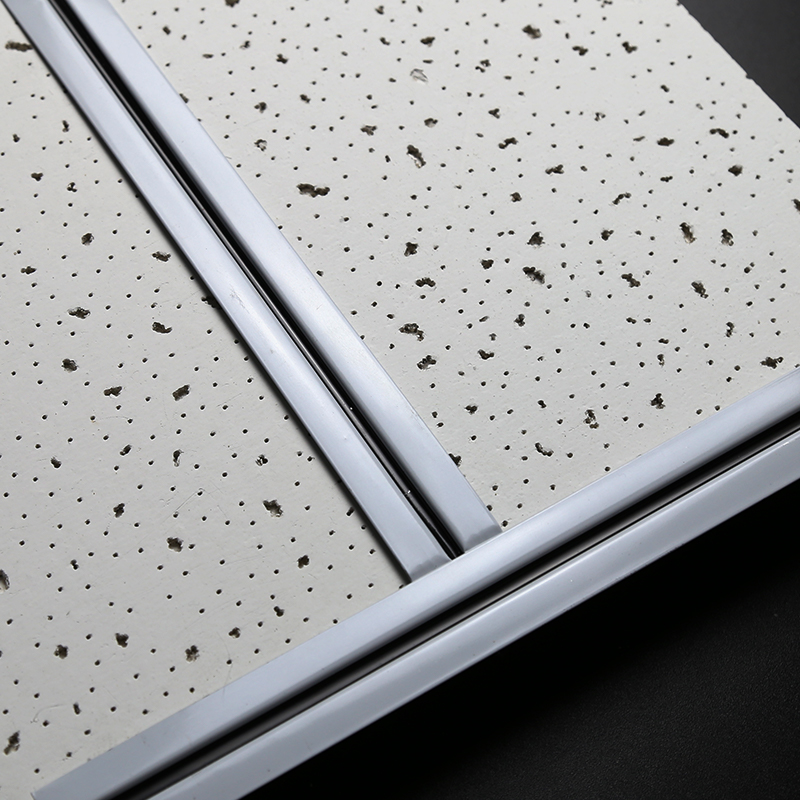
The T grid is the structural backbone of any suspended ceiling system, and its design directly impacts how the ceiling performs during an earthquake. Pano Ceilings’ T grid systems are engineered with three key seismic-focused features that set them apart from standard alternatives:
1. High-Strength Material & Precision Engineering
Pano Ceilings manufactures its T grids using premium-grade galvanized steel, chosen for its exceptional tensile strength and resistance to bending or warping. Unlike flimsy aluminum grids that may deform under stress, our steel T grids maintain their shape even when subjected to the intense forces of an earthquake. Each grid component—from main runners to cross tees—is precision-cut and formed using advanced machinery, ensuring consistent dimensions and tight connections. This precision eliminates gaps or loose fits that can become weak points during seismic activity.
2. Seismic-optimized Connections
The weakest links in any ceiling grid are the joints where components connect. Pano Ceilings addresses this with proprietary seismic connectors that enhance the grid’s flexibility and stability. Our main runners feature reinforced end tabs that lock securely into wall angles, while cross tees use snap-fit mechanisms with extra grip to prevent disengagement during movement. Additionally, we integrate adjustable hanger wires with shock-absorbing brackets that allow the grid to move slightly with the building without detaching. This “flexible rigidity” balances stability and movement, reducing the risk of grid collapse.
3. Compliance with Global Seismic Standards
Pano Ceilings’ T grid systems are rigorously tested to meet or exceed international seismic standards, including ASTM E580 (Standard Test Method for Structural Performance of Suspended Ceilings), ISO 13823 (Seismic Performance of Non-Structural Components), and regional codes like Japan’s JIS A 6512 and California’s OSHPD requirements. These tests simulate earthquake forces of varying magnitudes, ensuring our grids can withstand peak accelerations and displacements common in high-risk zones.
Pano Ceilings’ Mineral Fiber Tiles: Lightweight Resilience
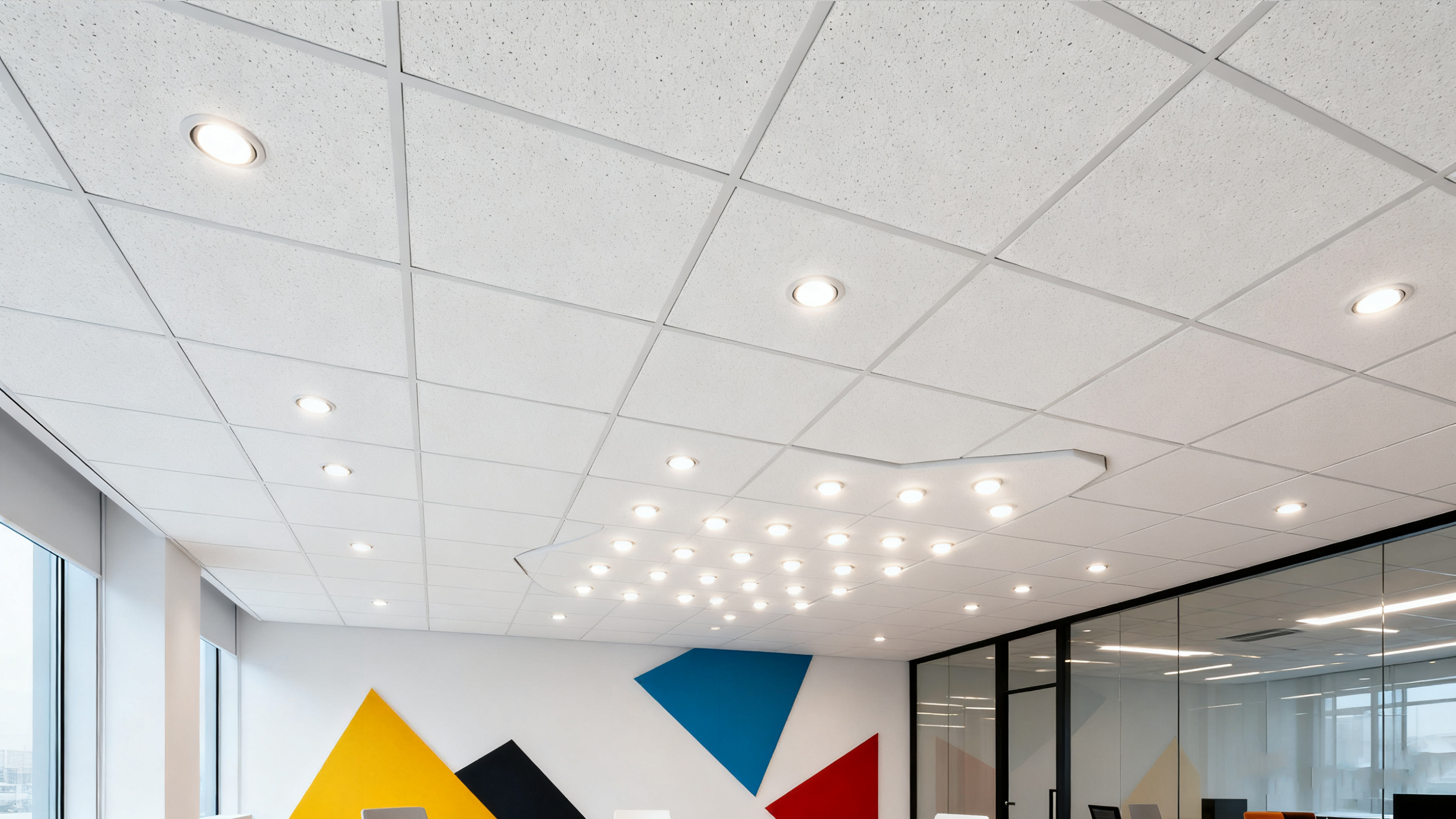
While the T grid provides structural support, the ceiling tiles play a vital role in seismic performance too. Pano Ceilings’ mineral fiber tiles are engineered to complement our T grids, offering a perfect blend of lightweight design and durability:
1. Low Mass, High Flexibility
Mineral fiber is inherently lightweight, which is a key advantage in seismic design. Heavier ceiling tiles (such as concrete or solid gypsum) exert more downward force on the grid during earthquakes, increasing the risk of tiles pulling free. Pano Ceilings’ mineral fiber tiles are up to 30% lighter than alternative materials, reducing stress on the T grid. Yet, their fibrous composition gives them natural flexibility—they can bend slightly with grid movement without cracking or breaking. This flexibility prevents tiles from shattering and becoming hazardous projectiles.
2. Secure Tile Retention
Pano Ceilings optimizes the edge design of its mineral fiber tiles to ensure a tight fit within the T grid. Our tiles feature beveled edges that sit securely in the grid’s flanges, and some models include micro-grooves that enhance grip. During an earthquake, this secure fit minimizes tile displacement—even if the grid sways, tiles stay in place. We also offer tile clips as an optional accessory for ultra-high-risk areas; these small, discreet clips attach tiles to the grid, providing an extra layer of retention.
3. Fire Resistance & Post-Earthquake Safety
Earthquakes often trigger secondary hazards like fires. Pano Ceilings’ mineral fiber tiles are Class A fire-rated, meaning they resist burning and limit the spread of flames. In the event of a post-earthquake fire, our tiles maintain their integrity longer, giving occupants more time to evacuate and reducing fire damage to the building’s structure. Additionally, our tiles are non-toxic and emit no harmful fumes when exposed to heat, aligning with green building standards and protecting indoor air quality during emergencies.
How Pano’s System Works Together During an Earthquake
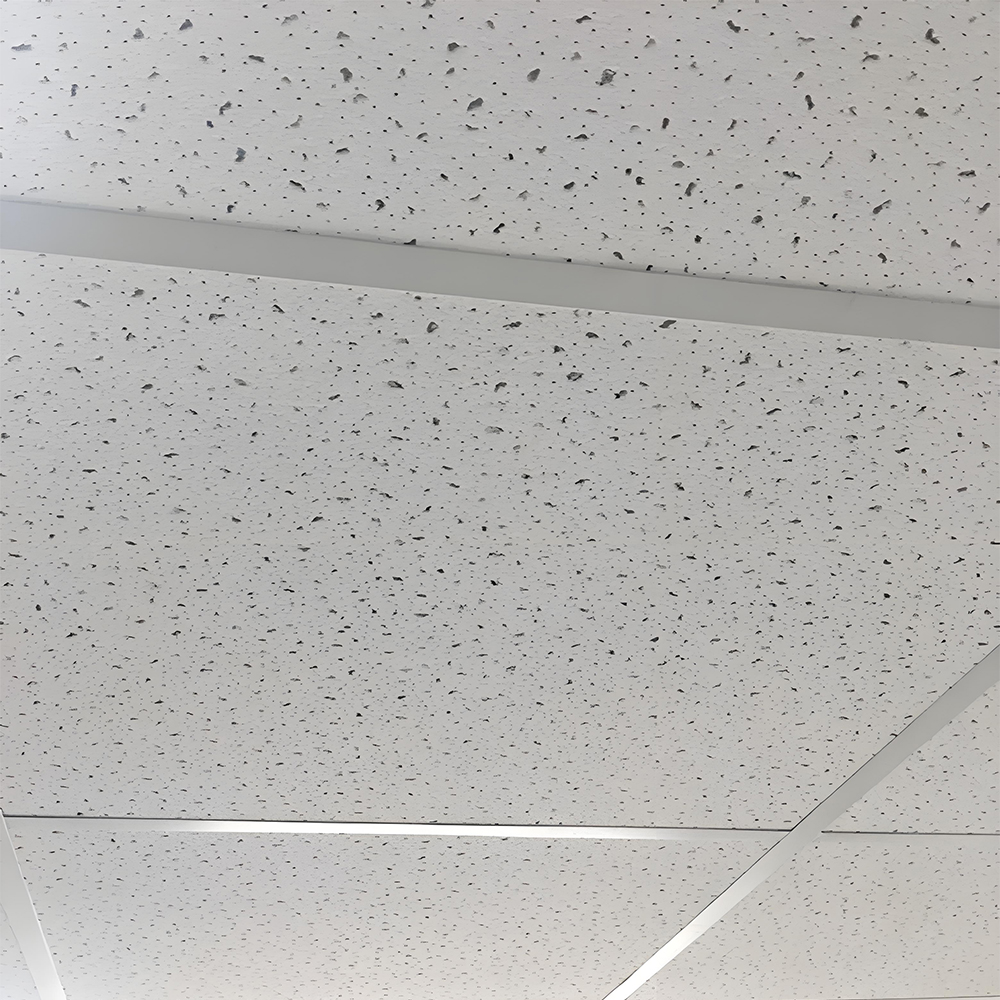
The true strength of Pano Ceilings’ solution lies in the synergy between the T grid and mineral fiber tiles. Here’s a step-by-step breakdown of how the system performs during a seismic event:
1. Force Absorption: When the building sways, the T grid’s galvanized steel structure and shock-absorbing hanger wires absorb initial lateral forces. The grid flexes slightly but does not bend permanently, thanks to its high tensile strength.
2. Load Distribution: The precision joints and connectors distribute stress evenly across the entire grid, preventing localized pressure that could cause individual components to fail.
3. Tile Stability: The lightweight, flexible mineral fiber tiles move with the grid rather than against it. Their secure edge design keeps them from falling, even as the grid shifts.
4. Post-Quake Integrity: After the earthquake, the system retains its structural shape. Tiles remain in place, and the grid requires minimal inspection or repair—reducing downtime and recovery costs.
This collaborative performance is not just theoretical. In real-world applications, Pano Ceilings’ systems have been installed in earthquake-prone regions like California, Japan, and Turkey, with feedback from contractors highlighting their reliability during minor to moderate seismic events. One Turkish contractor noted, “After a 4.2-magnitude quake last year, the Pano Ceilings system in our office building showed zero tile loss or grid damage—something we can’t say for older ceiling systems in the same complex.”
Beyond Seismic Safety: Pano’s Additional Advantages
While earthquake resilience is a core focus, Pano Ceilings’ T grid and mineral fiber tile systems offer additional benefits that make them a smart choice for any project:
• Acoustic Performance: Mineral fiber tiles naturally absorb sound, reducing noise pollution in offices, schools, and hospitals. Pano’s tiles have a Noise Reduction Coefficient (NRC) of up to 0.75, creating quieter, more productive spaces.
• Energy Efficiency: The air gap between the ceiling and roof, paired with the insulating properties of mineral fiber, improves a building’s thermal efficiency. This lowers heating and cooling costs year-round.
• Design Versatility: Pano offers a range of mineral fiber tile finishes (smooth, textured, embossed) and colors, plus customizable T grid sizes. This allows designers to create aesthetically pleasing ceilings that match any interior style.
• Easy Installation & Maintenance: Our lightweight components and snap-fit design simplify installation, cutting labor time by up to 20% compared to traditional systems. Routine maintenance is also straightforward—tiles can be easily removed and replaced if damaged, without disrupting the entire grid.
Why Pano Ceilings Is the Trusted Choice for Seismic-Ready Ceilings
Choosing a ceiling system for earthquake-prone areas requires trust in the brand’s expertise and commitment to quality. Pano Ceilings has spent years refining its T grid and mineral fiber tile systems, working with structural engineers and seismic testing labs to ensure every product meets the highest standards. Our dedication to innovation is evident in our ongoing R&D—we recently launched a new “Seismic Plus” T grid line that includes built-in damping technology to further reduce vibration during earthquakes.
We also prioritize customer support. For contractors working on seismic-sensitive projects, Pano provides detailed installation guides, technical consultations, and on-site training to ensure the system is set up for optimal performance. Our global supply chain ensures timely delivery, even for large-scale projects in remote regions.
For property owners, investing in Pano Ceilings’ seismic-ready systems offers long-term value. Not only do they enhance safety and compliance with local building codes, but they also reduce the risk of costly post-earthquake repairs and business interruptions. In regions where seismic insurance is required, our systems may even qualify for premium discounts, as insurers recognize their ability to minimize damage.
Conclusion
Earthquakes demand construction solutions that prioritize safety without sacrificing functionality. Pano Ceilings’ T grid and mineral fiber ceiling tile systems rise to this challenge, combining engineered strength, flexible design, and rigorous testing to deliver exceptional seismic performance. Whether you’re building a school in California, an office in Tokyo, or a hospital in Turkey, Pano Ceilings provides the peace of mind that comes with knowing your ceiling system can withstand the unexpected.
Don’t leave your project’s resilience to chance. Choose Pano Ceilings—where innovation meets safety, and every ceiling is built to protect what matters most.


