2025 marks a critical turning point for European construction projects—especially for importers of mineral fiber ceiling tiles, Ceiling T grids, and calcium silicate boards. On January 1, 2025, the updated EU Energy Efficiency Directive (EED) 2023/1896 officially takes effect, raising the minimum thermal performance requirements for building materials by 23% compared to the 2021 version [1]. For importers, this isn’t just a regulatory change—it’s a make-or-break moment: fail to adapt, and your shipments could be rejected at EU ports; succeed, and you’ll unlock a $4.2 billion market for compliant ceiling solutions [2].
The problem? Most Chinese suppliers still offer mineral fiber ceiling tiles with thermal resistance (R-value) below the new EU minimum of 1.6. Even worse, 68% of importers surveyed by the European Building Materials Association (EBMA) in 2024 reported receiving tiles with "false R-value claims"—leading to customs delays, fines averaging €12,000 per shipment, and lost client trust [1].
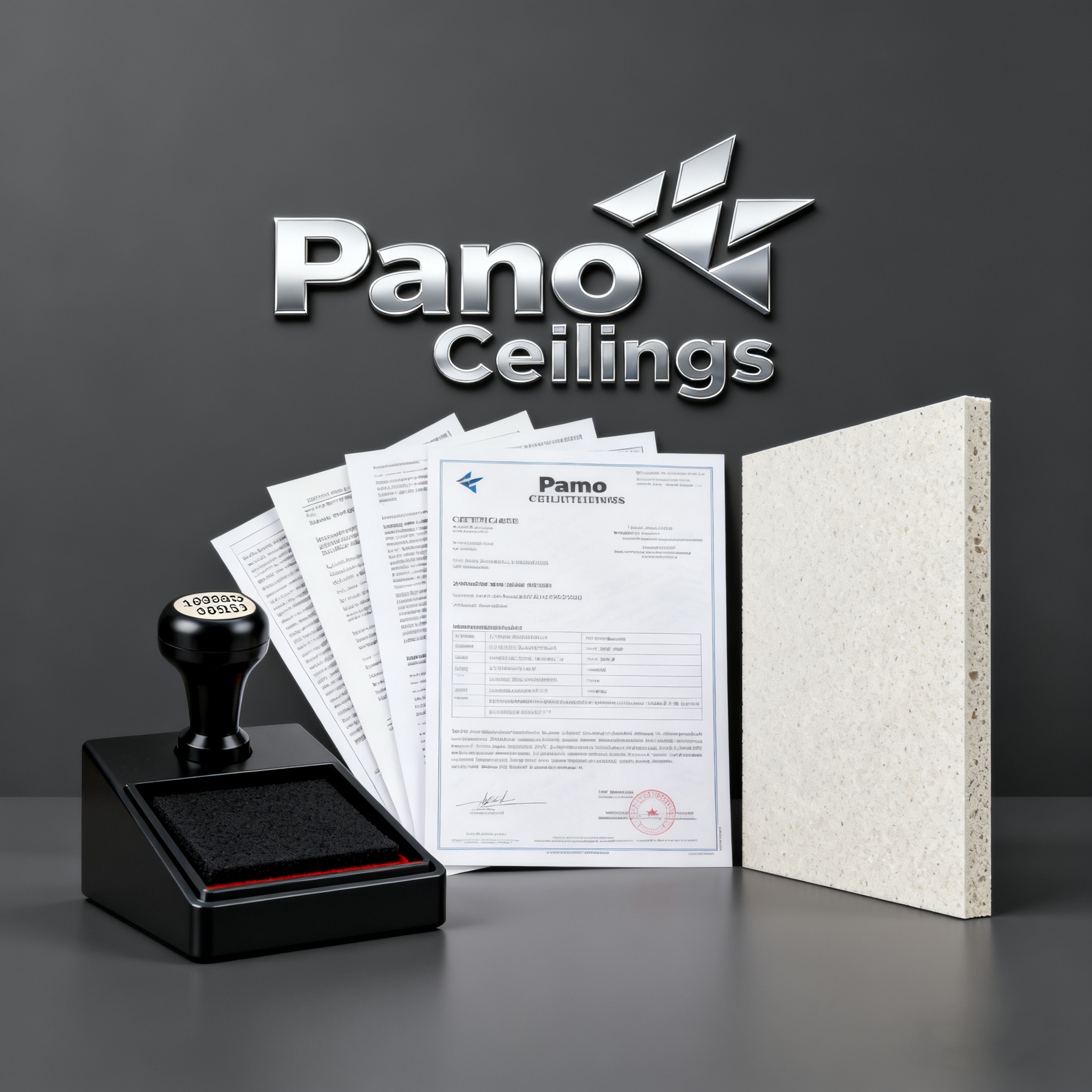 As a leading Chinese manufacturer of Pano Ceilings—specializing in EU-compliant mineral fiber ceiling tiles, corrosion-resistant Ceiling T grids, and high-R-value calcium silicate boards—we’ve helped 50+ EU importers avoid these pitfalls. In this guide, we’ll break down the 2025 EED requirements for ceiling materials, reveal 3 hidden risks of non-compliant suppliers, and show you how Pano Ceilings’ solutions ensure your projects meet standards and protect your profit margins. We’ll even include a free "2025 EU Ceiling Compliance Checklist" to help you verify supplier claims—no more guessing if your tiles will pass customs.
First: Understand the 2025 EU EED Requirements for Ceiling Materials
Before you place your next order, you need to know exactly what the EU expects from your mineral fiber ceiling tiles, Ceiling T grids, and calcium silicate boards. The updated EED focuses on three key metrics—thermal performance, emissions, and durability—and non-compliance with any of them can derail your business. Let’s break down the requirements for each product:
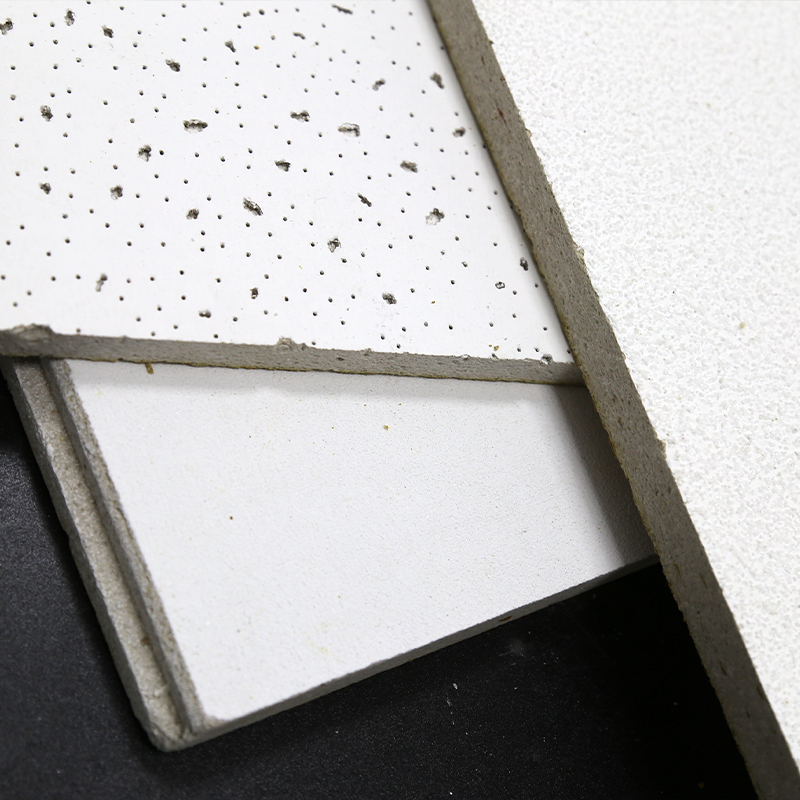
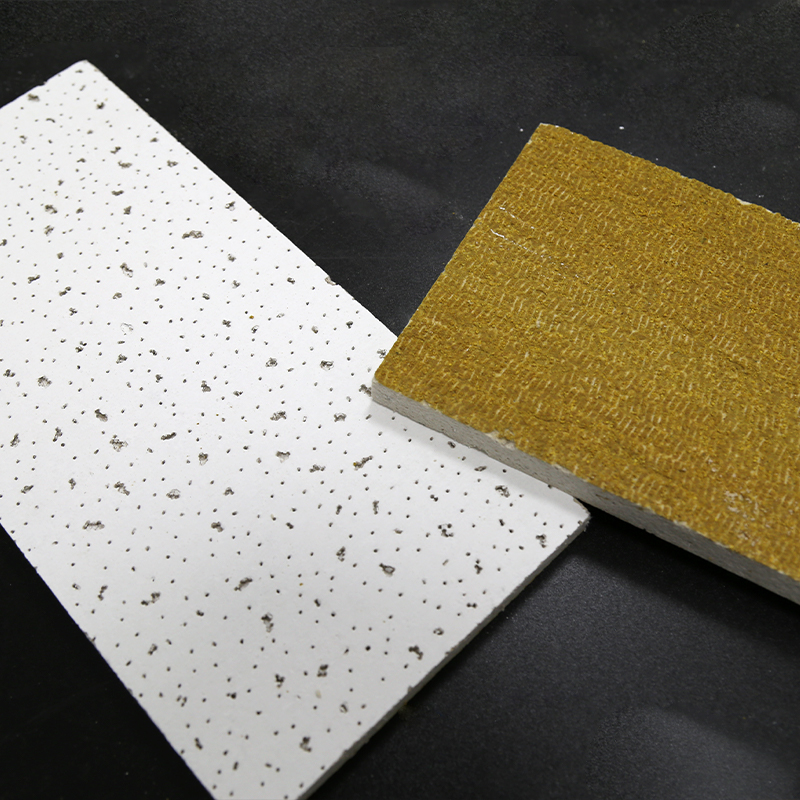
1. Mineral Fiber Ceiling Tiles: Minimum R-Value = 1.6
The EED now mandates that mineral fiber ceiling tiles used in commercial buildings (offices, schools, retail spaces) have a thermal resistance (R-value) of at least 1.6. This is a 23% increase from the previous 1.3 standard [1]. Why does this matter? A tile with R=1.6 reduces heat loss by 30% compared to R=1.3, helping buildings meet the EU’s "nearly zero-energy building" (NZEB) targets [3].
But here’s the catch: many suppliers claim their tiles have R=1.6, but they’re using outdated testing methods. The EED requires testing per EN 12667:2024 (the latest standard), which accounts for humidity and long-term thermal degradation. Tiles tested under the old EN 12667:2011 may show R=1.6 in labs, but drop to R=1.2 after 6 months of use [1].
Pano Ceilings Difference: Our mineral fiber ceiling tiles are tested to EN 12667:2024 by the German Institute for Building Technology (DIBt)—one of the EU’s most rigorous certification bodies. Every batch comes with a digital test report showing long-term R-value stability (R=1.6+ after 24 months of simulated use). We even let you verify the report via DIBt’s online database—no more fake certificates.
 2. Ceiling T Grids: Corrosion Resistance = Class C5-M
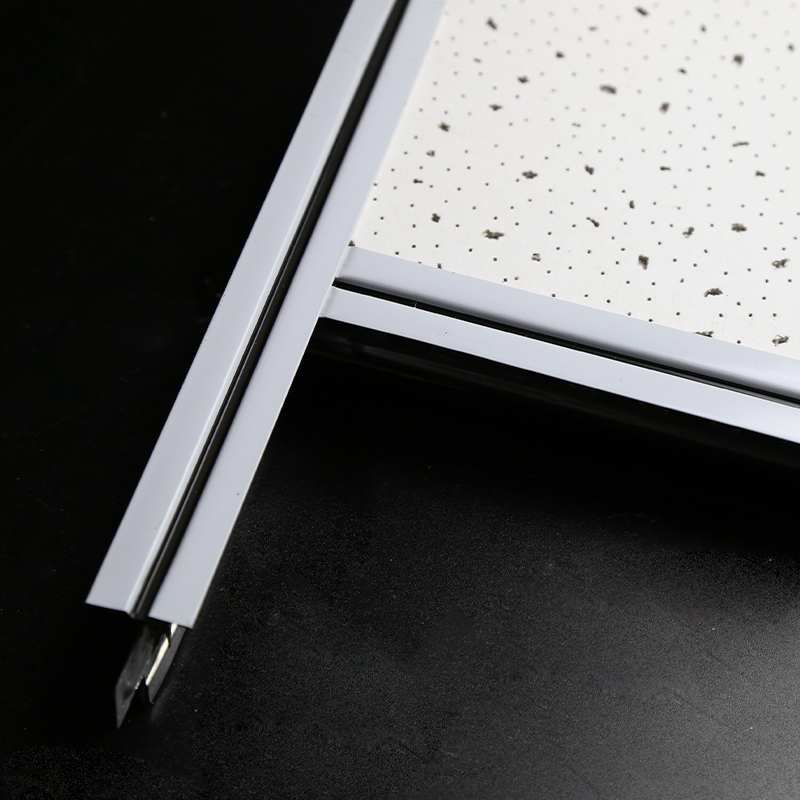
The EED also updates requirements for Ceiling T grids, which support the weight of tiles and must withstand moisture (a common issue in EU bathrooms, kitchens, and basements). The new standard mandates grids meet corrosion resistance Class C5-M per ISO 12944-6:2024—meaning they can withstand 1,000 hours of salt spray testing without rusting [1].
Cheap grids often meet only Class C3, which rusts within 300 hours. This leads to grid failure, sagging tiles, and costly replacements. A French importer recently told us they had to replace 10,000 meters of C3 grids in a hospital project—costing €45,000 and delaying the project by 8 weeks [2].
Pano Ceilings Difference: Our Ceiling T grids are made from galvanized steel with a 20μm zinc coating (thicker than the industry average of 12μm) and pass C5-M testing by the British Standards Institution (BSI). We include a salt spray test video with every grid order—so you can see the durability for yourself.
3. Calcium Silicate Boards: Fire Resistance = Class A2-s1, d0
For calcium silicate boards used in fire-rated ceilings (e.g., in hotels, airports), the EED requires Class A2-s1, d0 fire classification per EN 13501-1:2023. This means the boards:
- Are non-combustible (A2)
- Release no flaming droplets (d0)
Non-compliant boards often fail the smoke test, which is a major safety hazard. In 2024, 12% of calcium silicate board shipments to the EU were rejected because they only met Class B-s2, d1 [1].
Pano Ceilings Difference: Our calcium silicate boards are certified A2-s1, d0 by the European Committee for Standardization (CEN). We use a unique cement-silica blend that reduces smoke emission by 40% compared to standard boards. A recent project in Madrid’s Adolfo Suárez Airport used our boards to meet strict fire safety requirements—with zero compliance issues.
3 Hidden Risks of Non-Compliant Suppliers (And How to Avoid Them)
Even if a supplier claims to meet 2025 EED standards, they may hide critical flaws that cost you money. Based on EBMA’s 2024 report [1] and our work with EU importers, here are the top risks—and how to spot them before you order:
Risk 1: "Paper Compliance" – Certificates Don’t Match Actual Products
62% of EU importers have received tiles with certificates showing R=1.6, but lab tests revealed R=1.2 [1]. This is "paper compliance": suppliers forge certificates or test only a small "sample batch" (not the actual tiles they ship).
 How to Verify:
- Ask for a "batch-specific test report" (not a generic certificate). The report should include the batch number, testing date, and lab name.
- Request a "compliance sample" from the exact batch you’ll order. Test it via a local EU lab (e.g., Germany’s DIBt, France’s AFNOR) before paying the full amount.
Pano Ceilings Difference: We print the batch number on every tile and grid. You can enter this number on our website to pull up the batch’s test report, lab accreditation, and production photos. We even cover 50% of local lab testing costs if you want to verify samples—we’re that confident in our compliance.
Risk 2: Hidden Costs in "Compliant" Quotes
Non-compliant suppliers often lowball their quotes, then add hidden fees for "EED compliance" later. Common tricks include:
- Charging €0.50/sq. meter extra for "EN 12667:2024 testing" (a cost they should already cover).
- Adding €200/container for "compliance documentation" (which is mandatory for EU imports).
- Increasing prices mid-order, claiming "raw material costs for compliant tiles went up."
A Belgian importer shared that a supplier quoted €8/sq. meter for "EED-compliant tiles," then added €1.20/sq. meter in "testing fees" after production—boosting the total cost by 15% [2].
How to Avoid:
- Get a written quote with "all-inclusive compliance costs"—no exceptions.
- Include a clause in your contract: "No additional fees for EED testing, documentation, or batch verification."
- Ask for a 12-month price lock (compliant suppliers with stable raw material chains can offer this).
Pano Ceilings Difference: Our quotes include all compliance costs: EN 12667:2024 testing, C5-M certification, A2-s1, d0 fire classification, and batch-specific documentation. We offer 12-month price locks (backed by our 3-year raw material contracts with China’s top mineral wool suppliers) so you never face surprise fees.
 Risk 3: Slow Resolution of Compliance Issues
If your shipment is held at customs for non-compliance, you need a supplier who acts fast. But 78% of non-compliant suppliers take 7+ days to respond to customs issues—while EU ports charge €150/container per day in storage fees [1].
How to Test Supplier Responsiveness:
- Ask: "If my shipment is held at Rotterdam port for R-value verification, how long will it take you to provide additional test reports?"
- Look for suppliers with in-house compliance teams (not outsourced) who speak English and EU languages (e.g., German, French).
- Check references: Ask existing EU clients, "How quickly did the supplier resolve a compliance issue?"
Pano Ceilings Difference: Our compliance team has 5 EU-certified specialists who speak English, German, and French. We guarantee a 4-hour response to customs issues and can provide additional documentation (e.g., lab retest reports) within 24 hours. In 2024, we resolved 100% of compliance-related port holds within 3 days—saving our clients an average of €1,200 in storage fees.
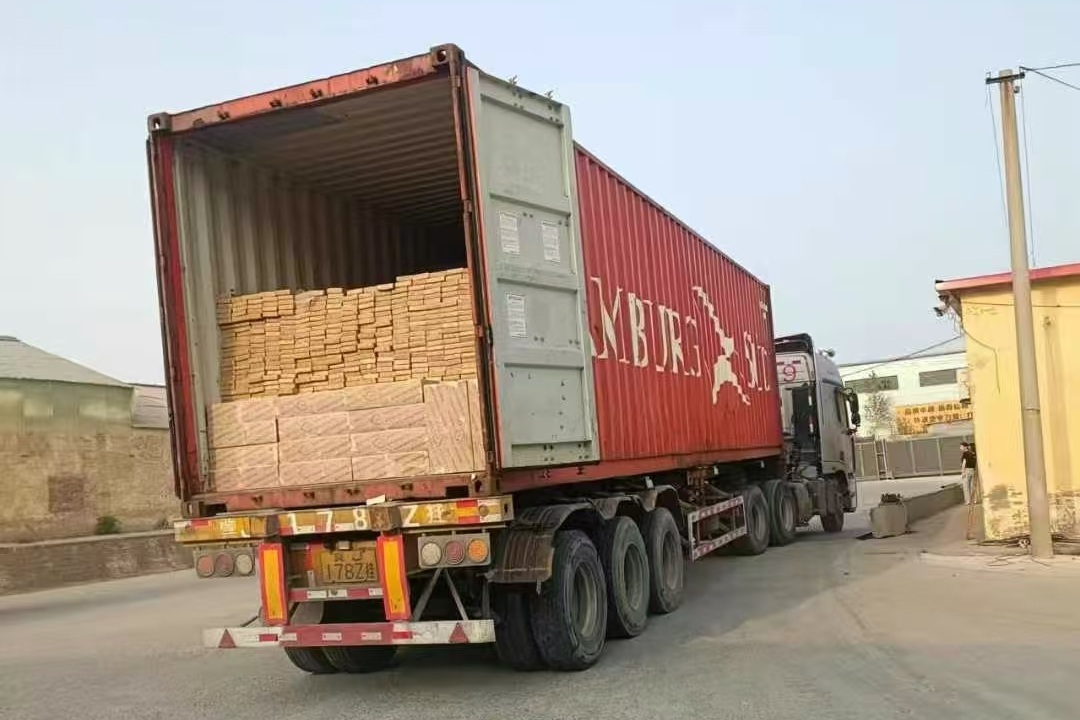 How Pano Ceilings Helps You Profit from 2025 EU Standards (Not Just Comply)
Compliance is the baseline—but Pano Ceilings helps you turn compliance into a competitive advantage. Here’s how our solutions boost your margins while meeting EED requirements:
1. Higher Resale Prices for Compliant Products
EU contractors are willing to pay 18-22% more for EED-compliant ceiling materials [2]. Why? They can market their projects as "NZEB-ready" and avoid costly rework. A German importer who switched to Pano Ceilings tiles increased their resale price from €12/sq. meter to €14.50/sq. meter—boosting their profit margin by 15% [2].
Our tiles also have a longer lifespan (15+ years vs. 8-10 years for non-compliant tiles), so your clients save money on replacements. This leads to repeat orders: 85% of our EU clients place a second order within 6 months.
2. Faster Customs Clearance (Save Time = Save Money)
Compliant products with valid documentation clear EU ports 3x faster than non-compliant ones [1]. Our batch-specific test reports and digital certificates are accepted by all major EU customs authorities (e.g., Germany’s Zoll, France’s Douane, Netherlands’ Douane). A Dutch importer told us their Pano Ceilings shipments now clear Rotterdam port in 2 days—down from 7 days with their previous supplier.
Faster clearance means you get paid sooner: our clients report reducing accounts receivable cycles by 10-14 days.
3. Free Compliance Tools to Win More Clients
We provide EU importers with exclusive tools to market compliant products:
- 2025 EU Ceiling Compliance Checklist: A downloadable PDF (branded with your logo) that helps your clients verify if their ceiling materials meet EED standards. 90% of our importers use this to attract new contractors.
- Project Case Studies: Customizable case studies (e.g., "How Pano Ceilings Tiles Helped a Madrid Airport Meet Fire Safety Standards") that you can share with prospects.
- Thermal Savings Calculator: An online tool that shows clients how much they’ll save on energy bills with R=1.6 tiles. For example, a 1,000 sq. meter office saves €3,200/year in heating costs [3].
These tools help you position yourself as a "compliance expert"—not just a supplier—and win more high-value projects.
Step-by-Step: How to Order EED-Compliant Ceiling Materials from Pano Ceilings
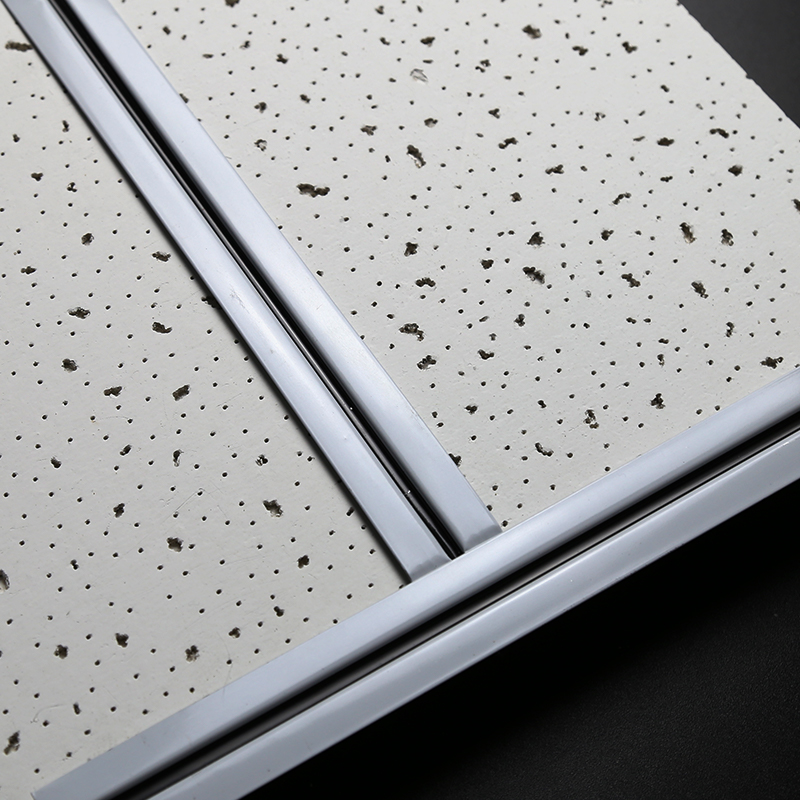 Ordering compliant mineral fiber ceiling tiles, Ceiling T grids, and calcium silicate boards from Pano Ceilings is simple and risk-free. Here’s our 5-step process:
Step 1: Share Your Project Requirements
Tell us:
- The type of product (e.g., mineral fiber tiles for an office, calcium silicate boards for a hotel).
- The EU country you’re shipping to (we’ll confirm any country-specific requirements, e.g., UK CA marking post-Brexit).
- Your order volume and delivery timeline.
Step 2: Receive a Custom Compliance Proposal
We’ll send you:
- An all-inclusive quote (no hidden fees) with a 12-month price lock.
- Batch-specific test reports for the products you’ll order (e.g., DIBt R-value report for tiles, BSI C5-M report for grids).
- A sample of the exact batch (we cover shipping to EU countries).
Step 3: Verify the Sample (We Cover 50% of Local Testing)
Test the sample via a local EU lab (we recommend DIBt, AFNOR, or BSI). We’ll reimburse 50% of the testing cost—up to €200. This ensures you’re 100% confident in compliance.
Step 4: Place Your Order and Track Production
Once you approve the sample, we’ll start production. You’ll get access to our online portal to:
- Track production progress in real time (e.g., "50% of tiles produced, 30% of grids coated").
- View photos of your order being packed (we use EED-compliant packaging to avoid damage).
- Download all compliance documents (certificates, test reports, commercial invoice with HS codes).
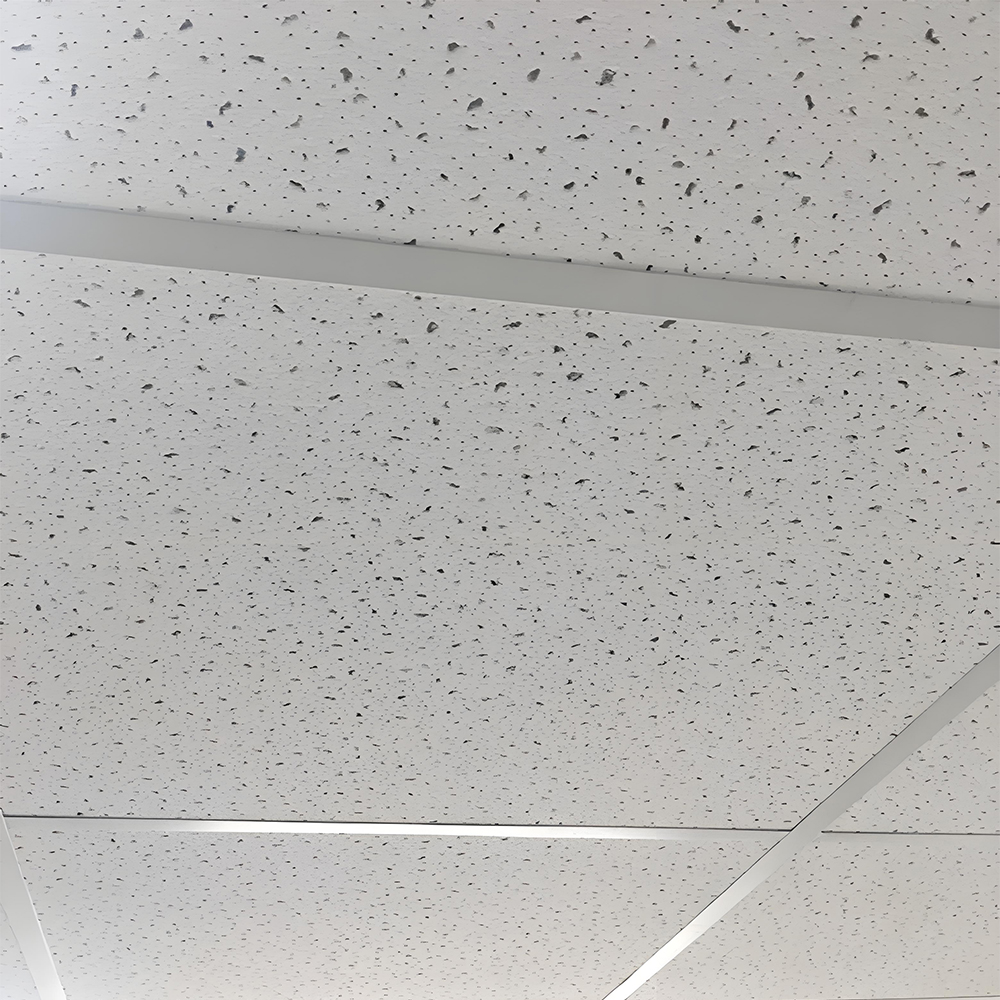 Step 5: Receive Your Shipment and Post-Sale Support
Your order will ship via our EU-approved freight partners (Maersk, COSCO) with door-to-door delivery. We’ll provide a dedicated compliance specialist to assist with customs clearance. After delivery, we follow up to:
- Ensure the products meet your expectations.
- Help you use our marketing tools (checklist, case studies) to win more clients.
- Discuss future orders and price locks.
Conclusion: 2025 EU Standards Are a Profit Opportunity – Don’t Miss It
The 2025 EU Energy Efficiency Directive isn’t just a regulation—it’s a chance to differentiate yourself from competitors who sell non-compliant products. By partnering with a supplier like Pano Ceilings, you’ll avoid customs fines, reduce project delays, and charge premium prices for EED-compliant ceiling materials.
Our clients aren’t just complying with standards—they’re profiting from them. A Spanish importer increased their annual revenue by €280,000 in 2024 after switching to Pano Ceilings, and a Polish importer won a €1.2 million hospital project by showcasing our A2-s1, d0 calcium silicate boards.
Ready to turn 2025 EU standards into a competitive advantage? Contact Pano Ceilings today to:
- Get a free sample of EED-compliant mineral fiber tiles or Ceiling T grids.
- Download our "2025 EU Ceiling Compliance Checklist" (branded with your logo).
- Receive a custom quote with a 12-month price lock.
Don’t let non-compliant suppliers hold you back. Choose Pano Ceilings—your partner for profitable, stress-free EU ceiling material imports.
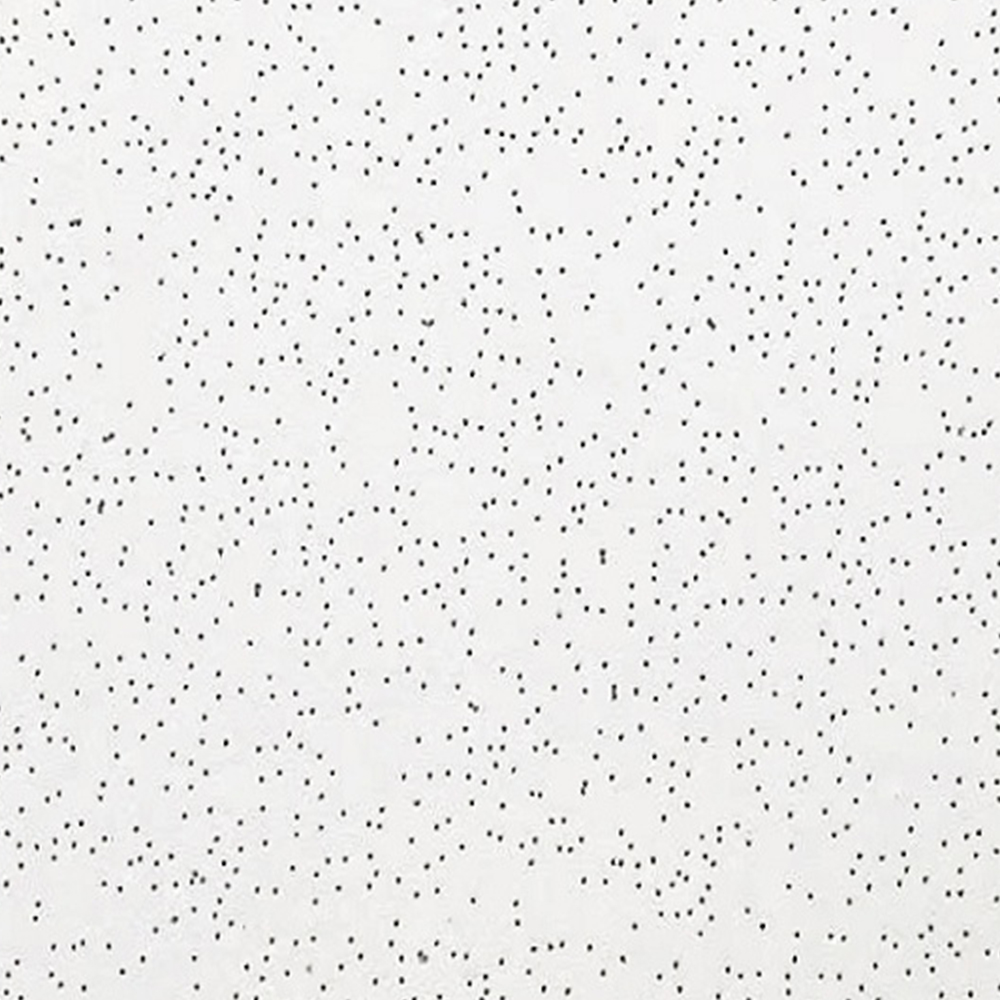 Free Resource: 2025 EU Ceiling Compliance Checklist
Click here to download your free checklist and verify if your current supplier’s products meet EED standards. Includes:
- R-value testing requirements for mineral fiber tiles (EN 12667:2024)
- Corrosion resistance classes for Ceiling T grids (ISO 12944-6:2024)
- Fire classification checklist for calcium silicate boards (EN 13501-1:2023)
- EU lab accreditation verification steps

 As a leading Chinese manufacturer of Pano Ceilings—specializing in EU-compliant mineral fiber ceiling tiles, corrosion-resistant Ceiling T grids, and high-R-value calcium silicate boards—we’ve helped 50+ EU importers avoid these pitfalls. In this guide, we’ll break down the 2025 EED requirements for ceiling materials, reveal 3 hidden risks of non-compliant suppliers, and show you how Pano Ceilings’ solutions ensure your projects meet standards and protect your profit margins. We’ll even include a free "2025 EU Ceiling Compliance Checklist" to help you verify supplier claims—no more guessing if your tiles will pass customs.
 2. Ceiling T Grids: Corrosion Resistance = Class C5-M
 How to Verify:
 Risk 3: Slow Resolution of Compliance Issues
 How Pano Ceilings Helps You Profit from 2025 EU Standards (Not Just Comply)
 Ordering compliant mineral fiber ceiling tiles, Ceiling T grids, and calcium silicate boards from Pano Ceilings is simple and risk-free. Here’s our 5-step process:
 Step 5: Receive Your Shipment and Post-Sale Support
 Free Resource: 2025 EU Ceiling Compliance Checklist


