For importers of ceiling materials, nothing is more frustrating than seeing a container of mineral fiber ceiling tiles held at customs. You’ve negotiated prices, confirmed production, and arranged shipping—only to hit a wall at the final step. Why does this happen to 9 out of 10 importers? Let’s break down the root causes and how Pano Ceilings solves each one.
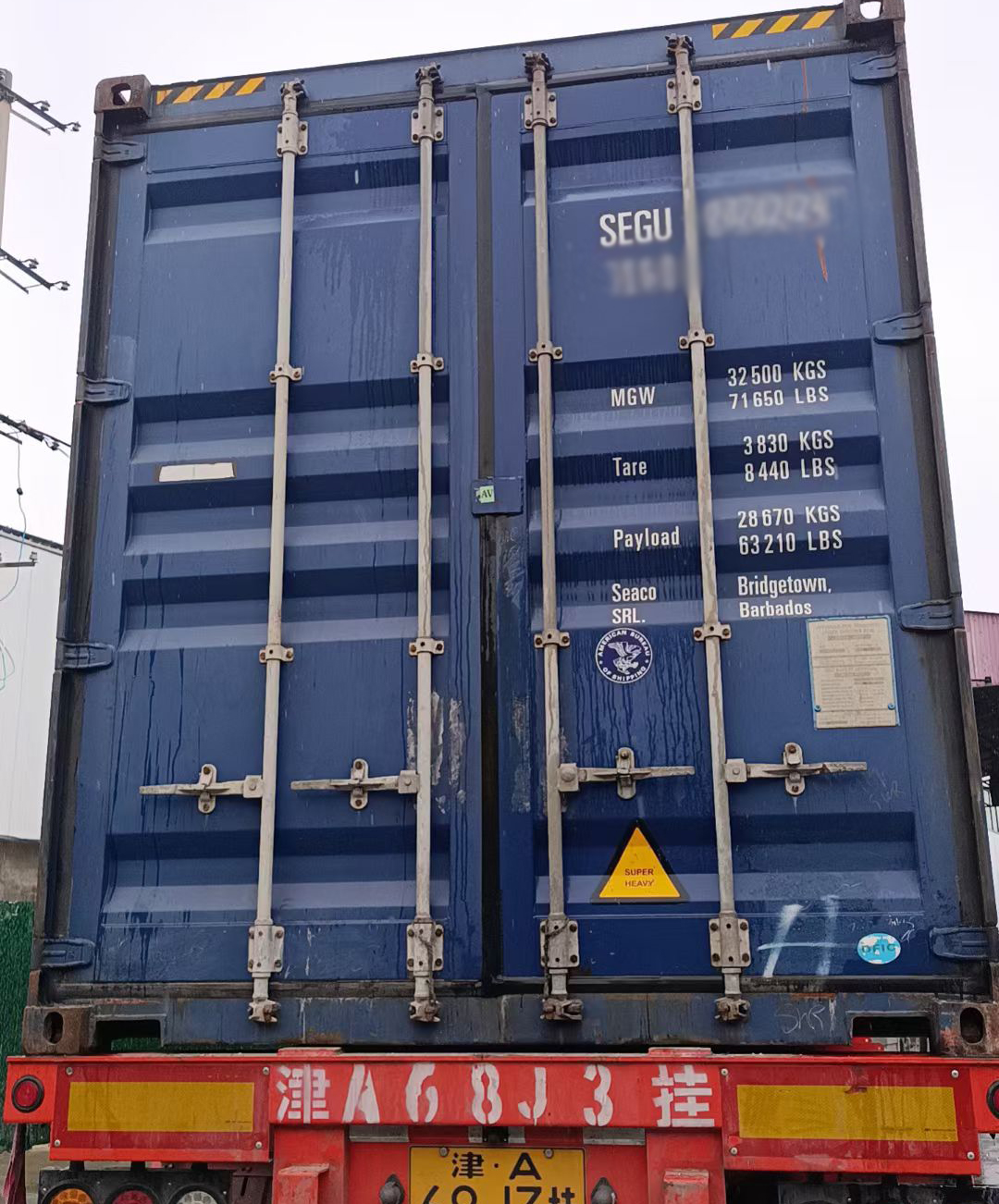
1. Missing or Invalid Certifications: The Most Common "Dealbreaker"
Customs agencies worldwide (such as the EU’s CE, US’s UL, or Australia’s AS/NZS) require mineral fiber ceiling tiles to meet strict safety and performance standards—yet 40% of importers fail here. Many Chinese suppliers cut corners by providing expired certifications, generic documents that don’t match the product model, or even fake certificates. When customs verifies, the discrepancy leads to immediate detention.
Pano Ceilings’ Solution: We never leave certification to chance. Every batch of our mineral fiber ceiling tiles comes with product-specific, up-to-date certifications tailored to your target market—whether it’s CE for the European Union, UL 94 for fire resistance in the US, or SGS testing reports for low formaldehyde emissions. We share certification drafts with you before production, so you can confirm compliance upfront, eliminating customs risks.
2. Incorrect HS Code Classification: A "Hidden Trap" for Cost and Delay
HS codes determine customs duties, inspection requirements, and eligibility for trade agreements. Mineral fiber ceiling tiles are often misclassified under generic "building materials" codes (e.g., 6806) instead of the precise code for ceiling tiles (e.g., 6806 10 00 for mineral fiber variants). This mistake can lead to underpaid duties (resulting in fines) or over-inspection (extending clearance time by 2–4 weeks).
Pano Ceilings’ Solution: Our logistics team is trained in global HS code standards. We work with you to confirm the correct HS code for your destination country and include it in all shipping documents (commercial invoice, packing list, bill of lading). For example, if you’re importing to Germany, we use HS code 6806100000 to ensure compliance with EU customs, avoiding duty disputes and delays.
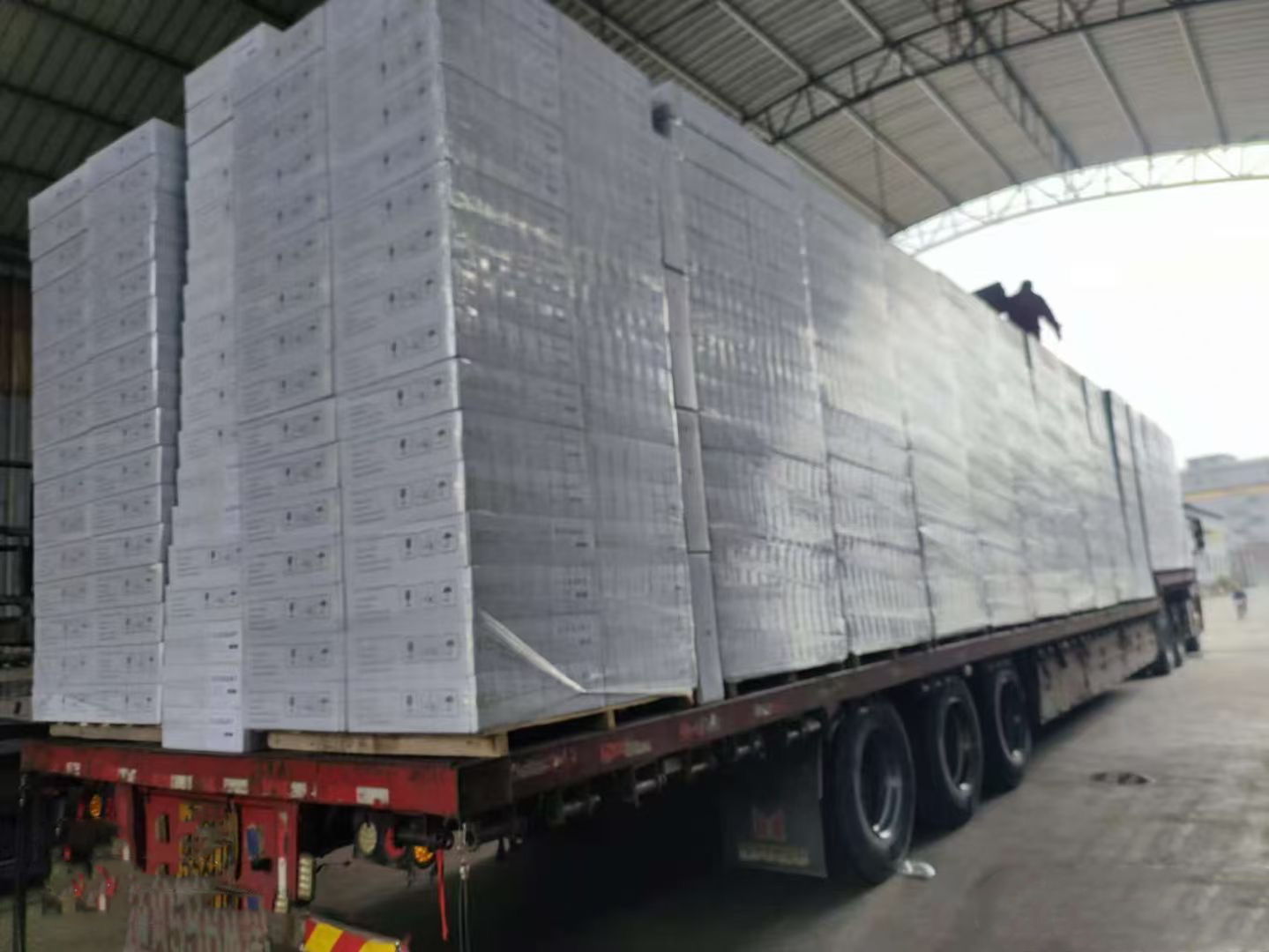
3. Non-Compliant Product Labeling: Small Details, Big Consequences
Customs requires clear, standardized labeling on each package—yet many suppliers overlook this. Common errors include missing multilingual warnings (e.g., "Fire-Retardant" in both English and local language), incorrect country of origin ("Made in China" not prominently displayed), or vague product information (no thickness, fire rating, or batch number). These omissions give customs grounds to hold your shipment for re-labeling.
Pano Ceilings’ Solution: We follow a strict labeling protocol aligned with your market’s rules. Each box of our mineral fiber ceiling tiles includes:
• Bold "Country of Origin: People’s Republic of China"
• Product specs (e.g., "Mineral Fiber Ceiling Tile, 600x600mm, Fire Rating Class A")
• Safety warnings in 2+ languages (per your country’s requirements)
• Batch number and manufacturing date (for traceability)
We send you labeling samples for approval before shipping, so there are no surprises at customs.
4. Substandard Quality: When "Low Cost" Becomes a Customs Rejection
Many importers prioritize low prices, leading them to work with suppliers that use inferior raw materials (e.g., high-formaldehyde binders, non-fire-retardant fibers). When customs conducts random quality checks (common in the US, EU, and Middle East), these tiles fail tests for emissions, fire resistance, or structural strength—resulting in full shipment rejection.
Pano Ceilings’ Solution: Quality is non-negotiable for us. Our mineral fiber ceiling tiles are made with high-purity mineral wool and low-formaldehyde adhesives, meeting global standards for indoor air quality (e.g., EU E1 for formaldehyde <0.124mg/m³). We conduct 3 quality checks: before production (raw material inspection), during production (in-line testing), and after production (random sampling for fire and strength tests). We share test reports with you, so you can prove product quality to customs.
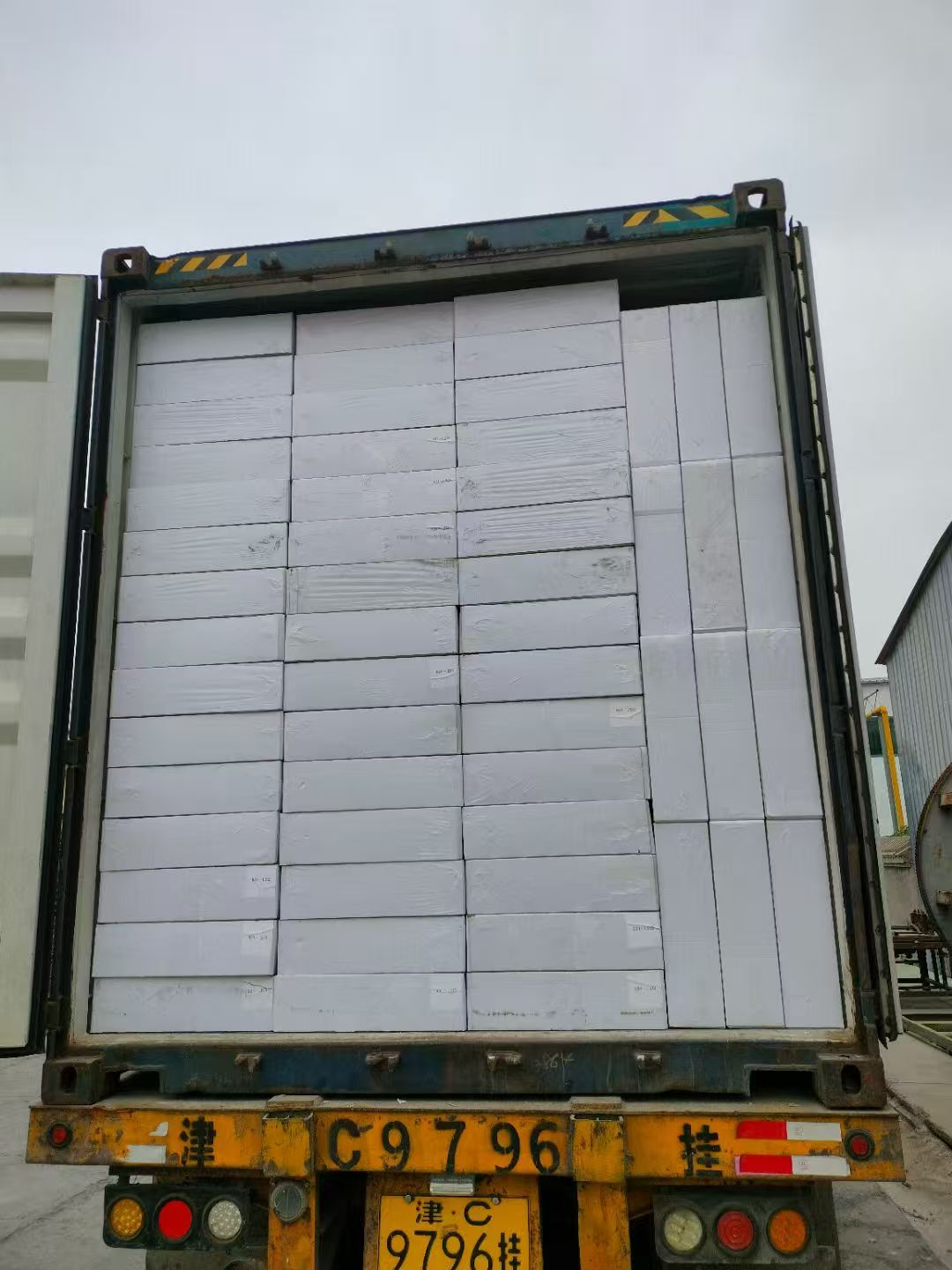
5. Incomplete Shipping Documents: The "Paperwork Nightmare"
Even if your product is compliant, missing or incorrect documents will stop clearance. Common issues include mismatched information (e.g., product quantity on the invoice doesn’t match the packing list), missing commercial invoices with detailed product descriptions, or uncertified translations of documents (required in non-English-speaking countries).
Pano Ceilings’ Solution: Our documentation team prepares a complete, cross-checked package for every order, including:
• Commercial invoice (with HS code, product specs, unit price, and total value)
• Packing list (with carton quantity, gross/net weight, and dimensions)
• Certificate of Origin (CO) and customs declaration form
• Certified translations of all documents (if your market requires it, e.g., Spanish for Mexico, Arabic for Saudi Arabia)
We review documents with you and your freight forwarder to ensure 100% accuracy.
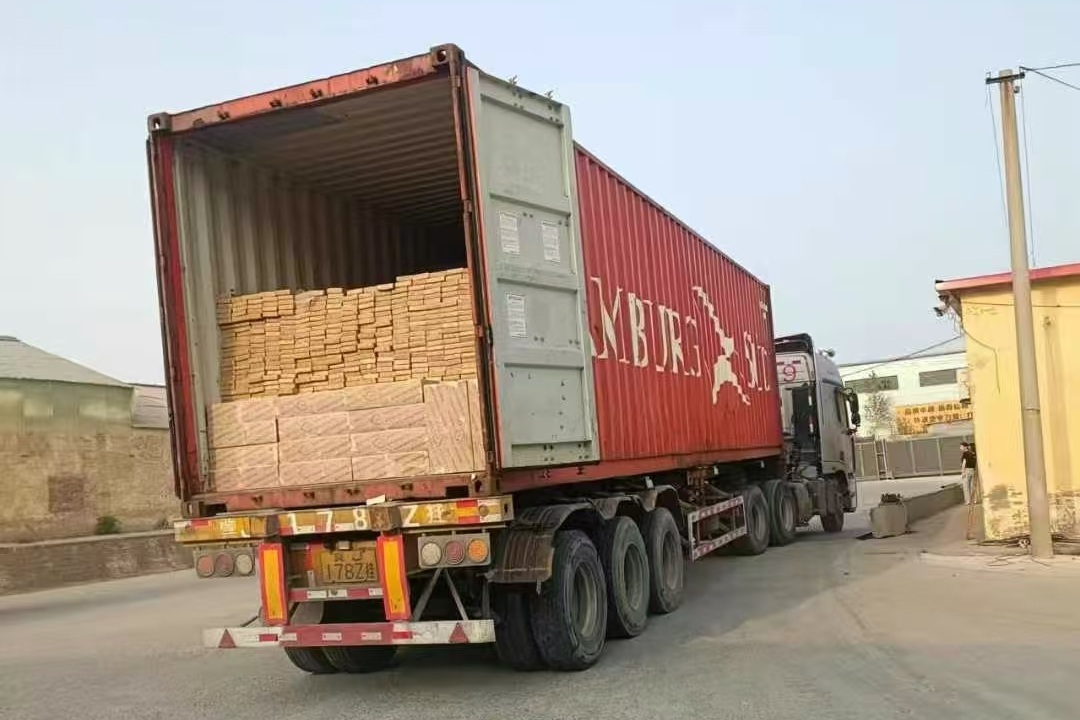
Why Choose Pano Ceilings?
For importers, customs clearance isn’t just a "final step"—it’s a make-or-break part of your business. Pano Ceilings doesn’t just sell mineral fiber ceiling tiles; we provide a "customs-compliant solution" tailored to your market. Our clients in the US, EU, Australia, and Southeast Asia have experienced 0 customs detentions because we address every risk upfront—from certifications to paperwork.
Whether you’re importing mineral fiber ceiling tiles, ceiling T grids, or calcium silicate boards, we ensure your shipment clears customs smoothly, so you can focus on growing your business, not solving delays.


